UV254 water monitoring: tracking organic matter
UV254 is one of the parameters used in water quality analysis. The measurement tracks the absorption of ultraviolet light at 254 nanometres (nm) by dissolved organic compounds that absorb at this wavelength. It provides a continuous reading of their variations, without the addition of reagents or consumables.
This measurement can be used in various sectors, particularly to observe changes in an effluent at the inlet, during treatment or at the outlet. However, the UV254 signal must be interpreted according to the composition of the water and the monitoring objectives.
What does a UV254 measurement reveal?
UV254 absorbance as an indicator of organic matter
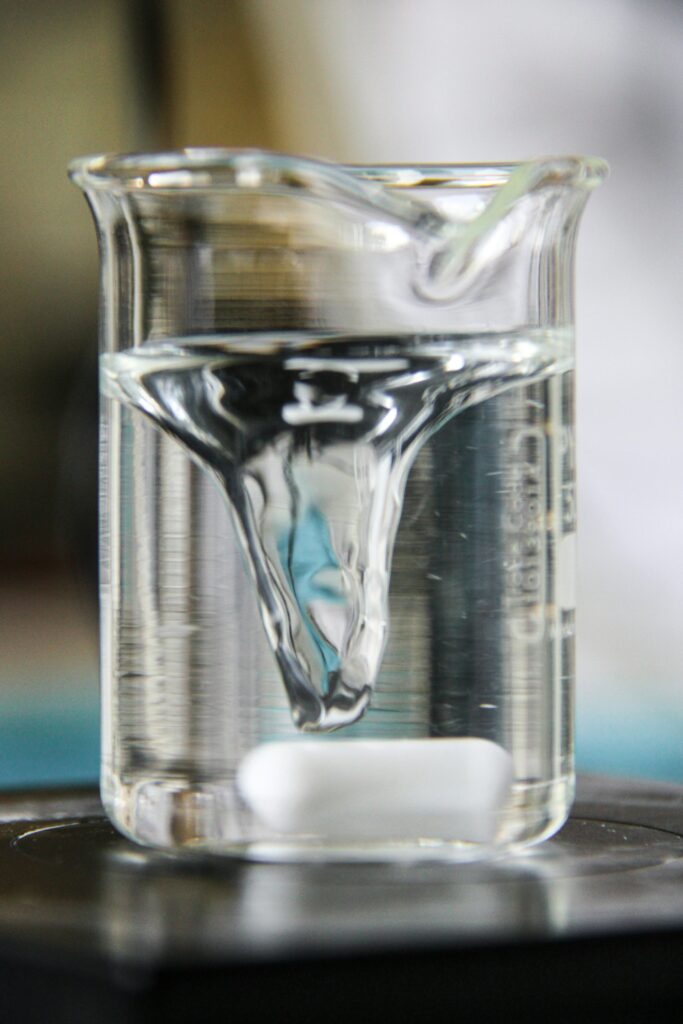
UV254 measurement corresponds to the absorption of ultraviolet radiation at a wavelength of 254 nm. A light source passes through the sample, then a detector measures the transmitted light. The more absorbing compounds are present, the higher the signal. The result is expressed as the spectral absorption coefficient at 254 nm, or SAC254, which provides information on variations in organic compounds that absorb at this wavelength.
Equivalent values calculated by correlation
UV254 measurement can be correlated with parameters such as chemical oxygen demand, biochemical oxygen demand or total organic carbon. The values obtained are then expressed as CODeq, BODeq or TOCeq. These results remain calculated values, not direct measurements. Their relevance depends on the relationship established between the UV254 signal and the characteristics of the water being monitored.
Why integrate continuous UV254 water monitoring?
Quickly detecting a variation in organic load
Between two sampling operations, the arrival of a more heavily loaded effluent, a change in production or an unusual discharge may go unnoticed. By recording the signal at regular intervals, a UV254 probe reveals the start of the event, its duration, its amplitude and the return to the usual level. This continuity is particularly useful when the composition of the water changes over the course of a day or a production cycle.
Building an operating profile for the site
When a UV254 variation appears, teams can check operating conditions, look for an upstream change or take a sample while the event is still ongoing.
Online measurement therefore helps target checks during periods that are genuinely abnormal. Data logging also reveals the site’s usual profile, according to schedules, production days, treatment phases or hydraulic conditions. A deviation can then be interpreted based on the operating context rather than from an isolated value
In which contexts is UV254 measurement relevant?
Monitoring variations in organic load in a wastewater treatment plant
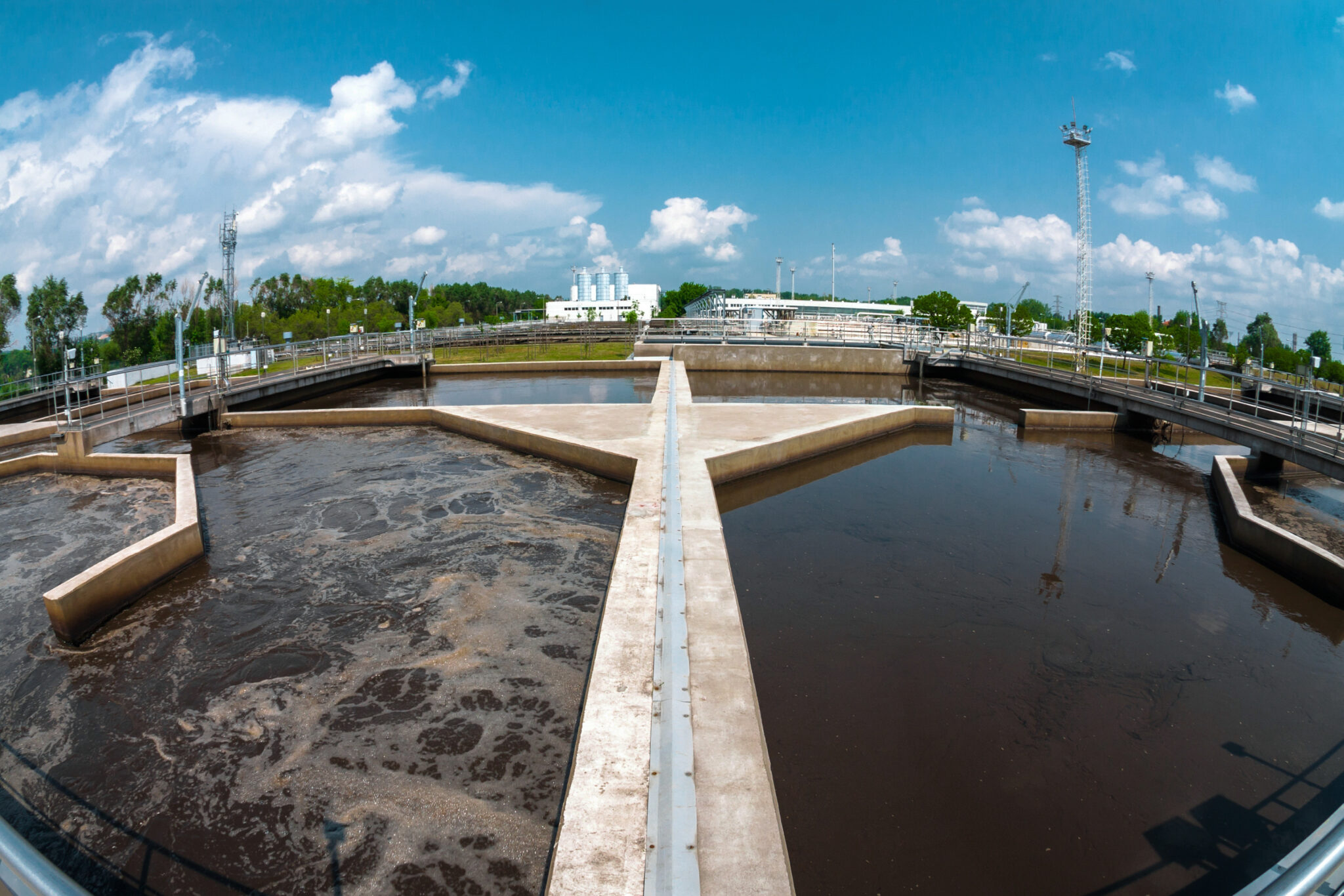
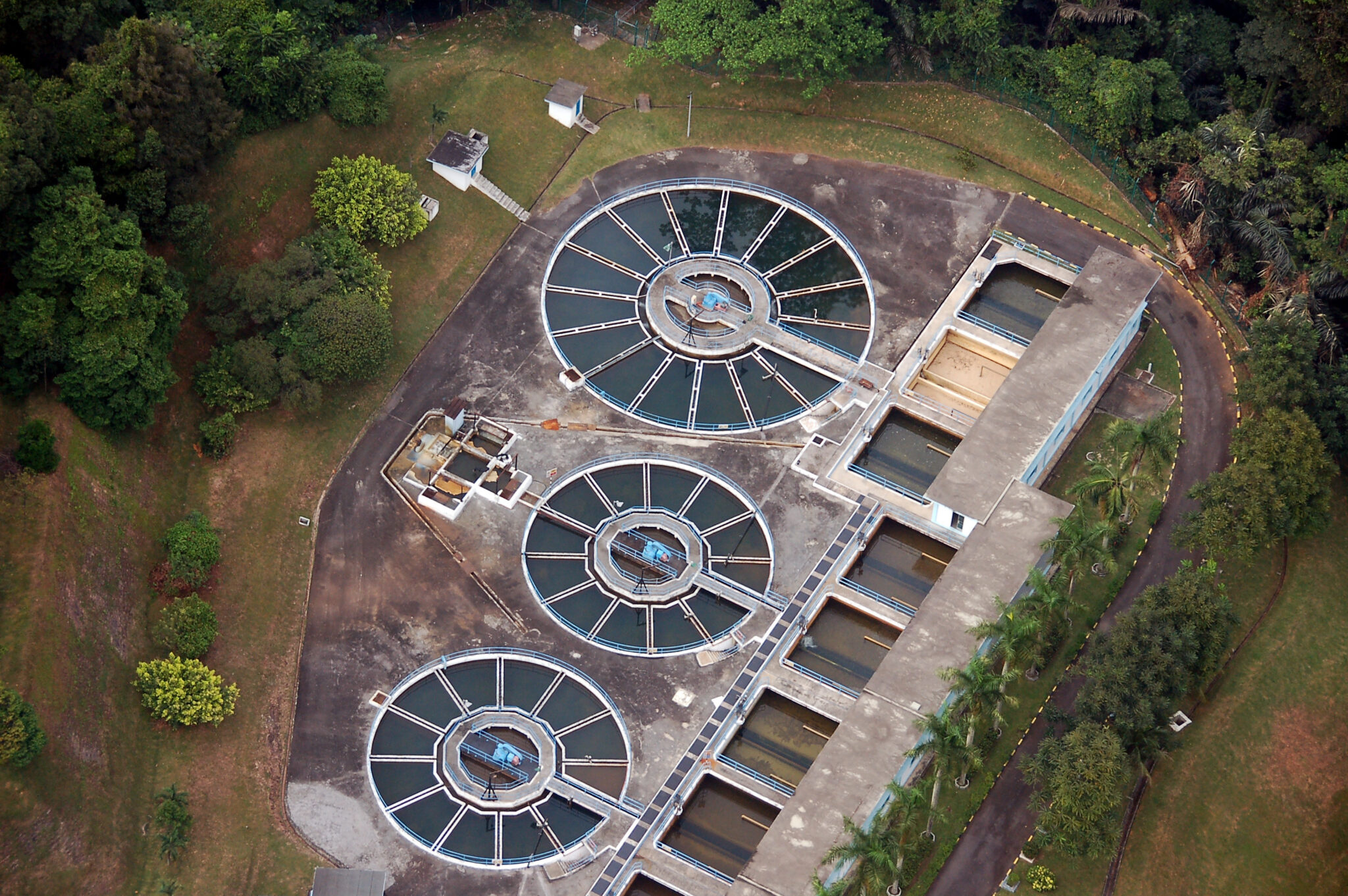
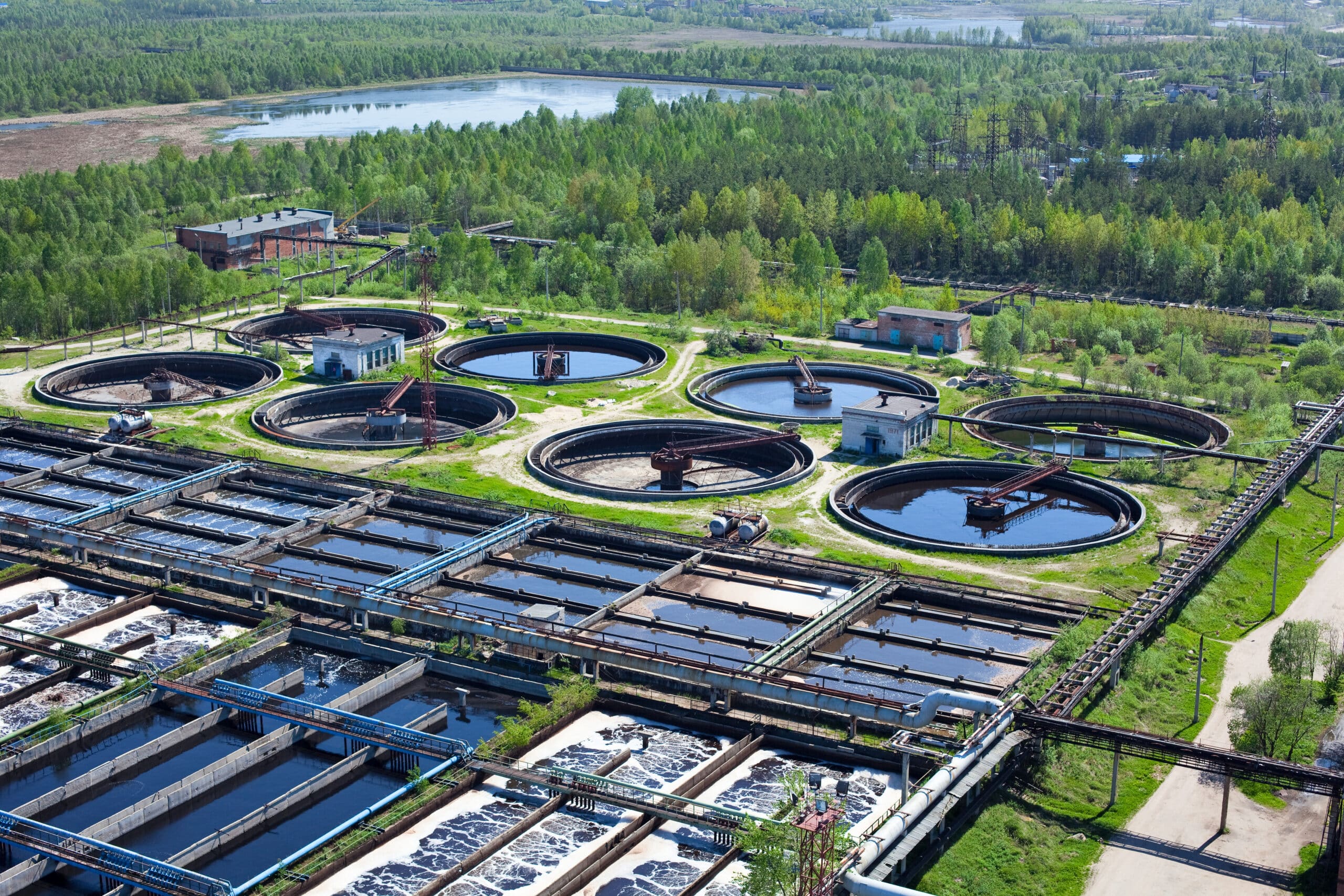
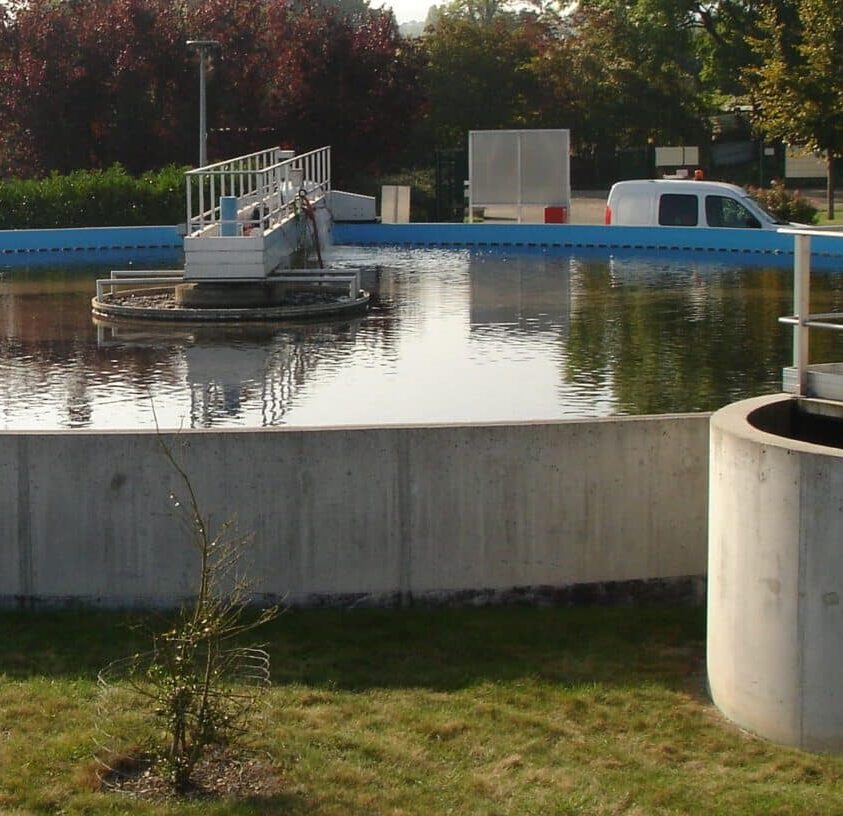
In a wastewater treatment plant, a UV254 probe can be installed at the inlet to observe variations in the incoming effluent, or at the outlet to monitor changes in the treated water. The signal variation can be compared with dissolved oxygen, turbidity or total suspended solids (TSS) measurements in the basin. An increase in the UV254 signal does not have the same meaning depending on whether it is accompanied by a change in aeration conditions, an increase in particulate load or a hydraulic change.
UV254 monitoring of industrial effluents
In industry and in any activity generating effluents, the organic load can change with production cycles, washing operations, changes in manufacturing processes or accidental discharges. When the quality of discharged water must be monitored, the operator needs reliable data to meet the requirements applicable to its facility.
Before deployment, it is necessary to check that the compounds present in the effluent absorb sufficiently at 254 nm and that the relationship with the target parameter remains stable. An effluent may also change in composition without the total amount of organic matter changing in the same proportions.
How can continuous UV254 measurement be made reliable?
Choosing the probe installation method
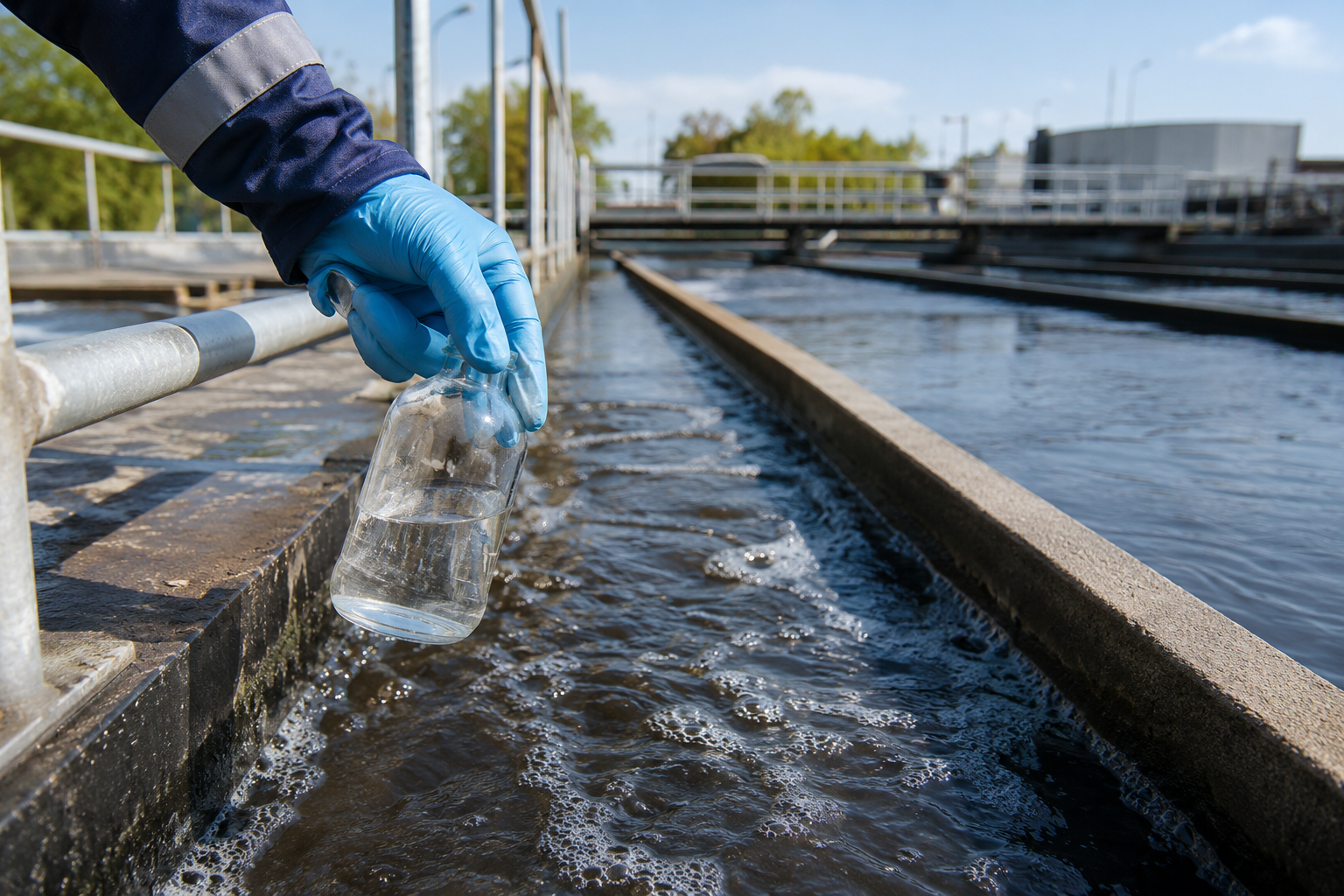
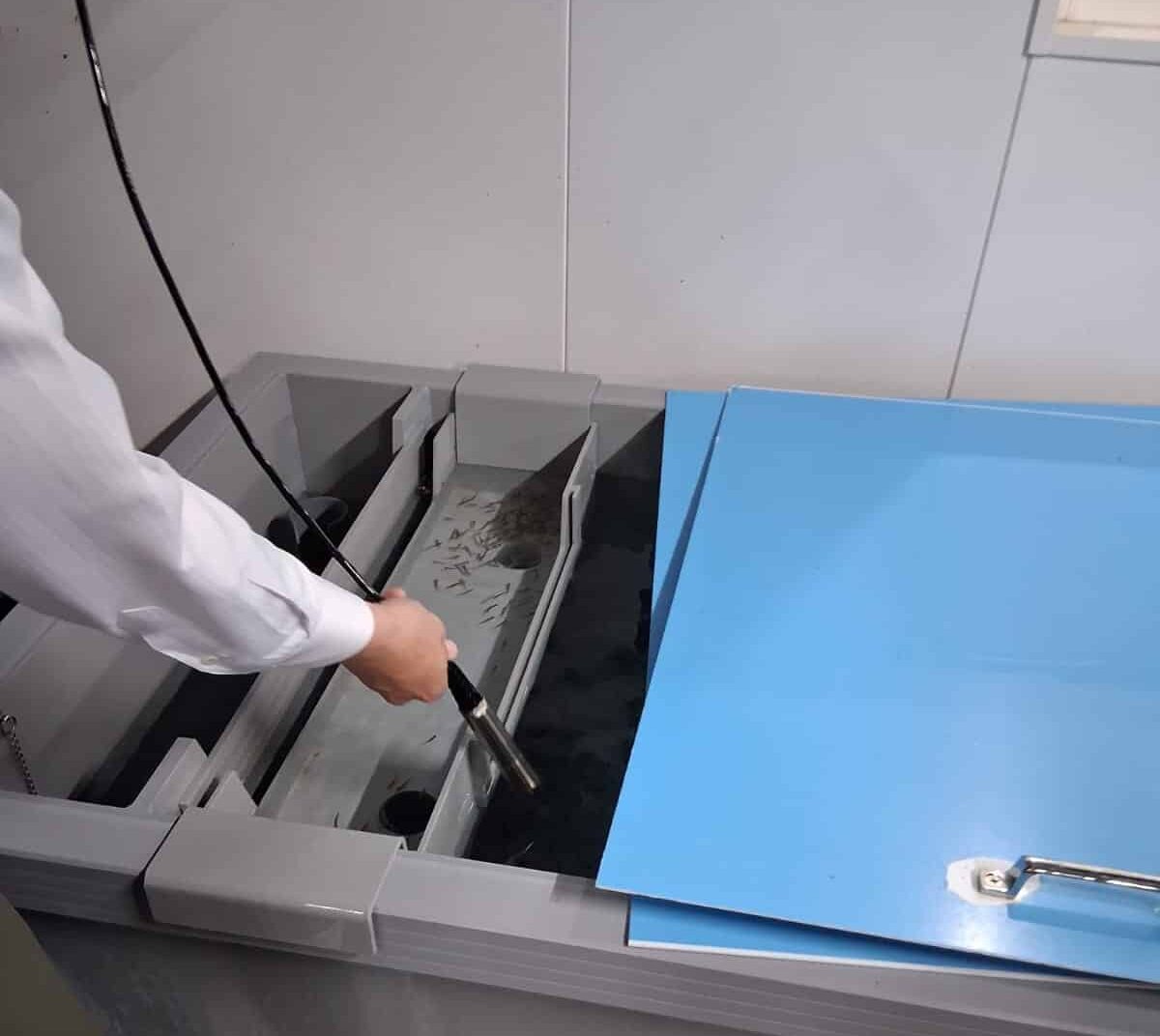
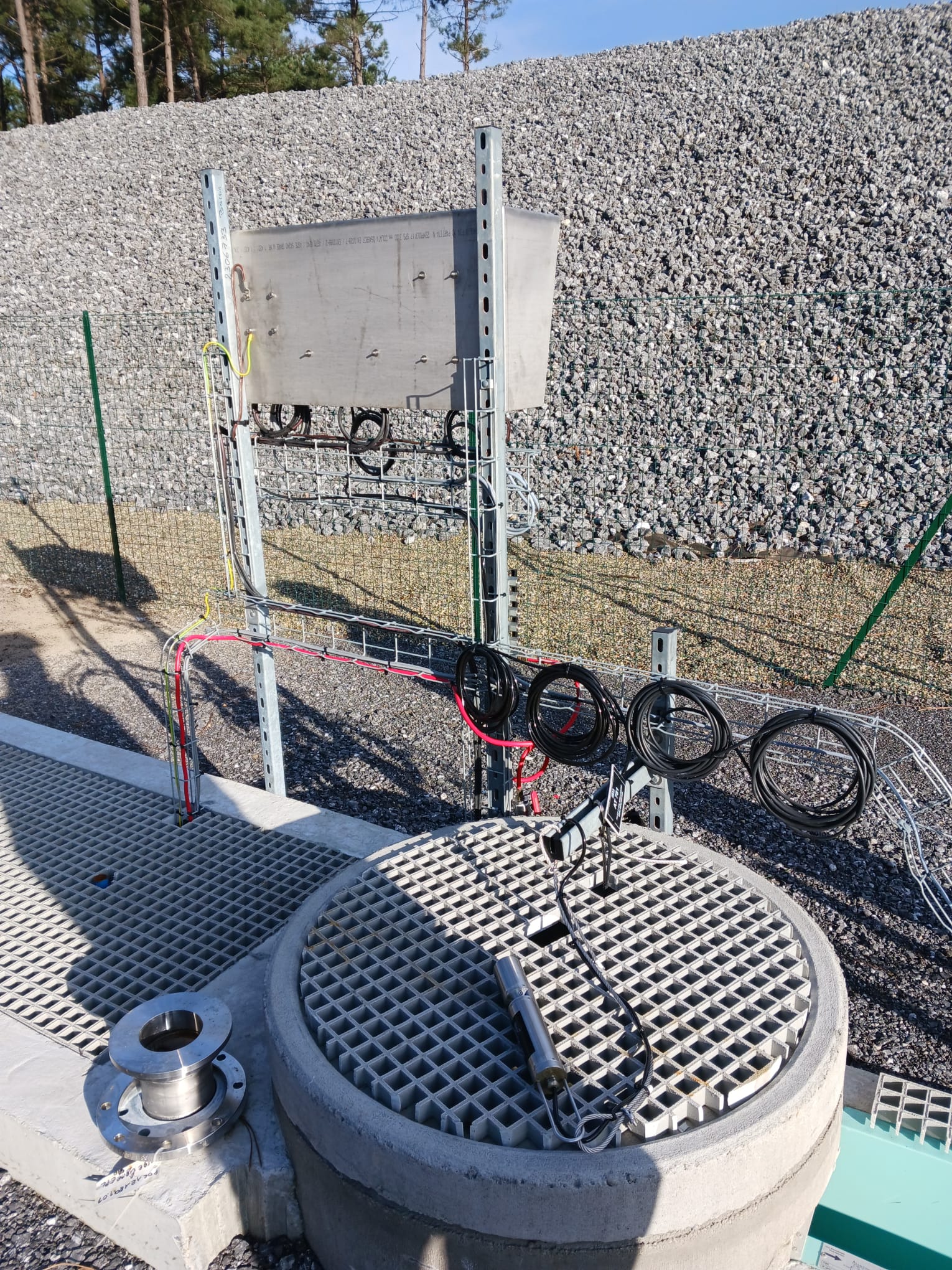
An immersion measurement places the probe directly in the basin, channel or pipe. It provides a reading as close as possible to the effluent, provided that the sensor remains immersed and easily accessible. A bypass installation takes part of the flow and directs it to a measurement cell. This can be suitable when the main point is difficult to access or when several instruments are grouped together in a technical area.
Taking hydraulic conditions into account
The measurement point must be located in an area where the effluent is sufficiently homogeneous. Installation too close to a side inlet or stagnant zone produces data that are not very representative. The probe must remain properly immersed, without being too exposed to air bubbles or deposits. Before validating its location, it is useful to observe site operation over several cycles: production phases, washing operations, flow variations, pump start-up or level changes.
Adapting maintenance to the risk of fouling
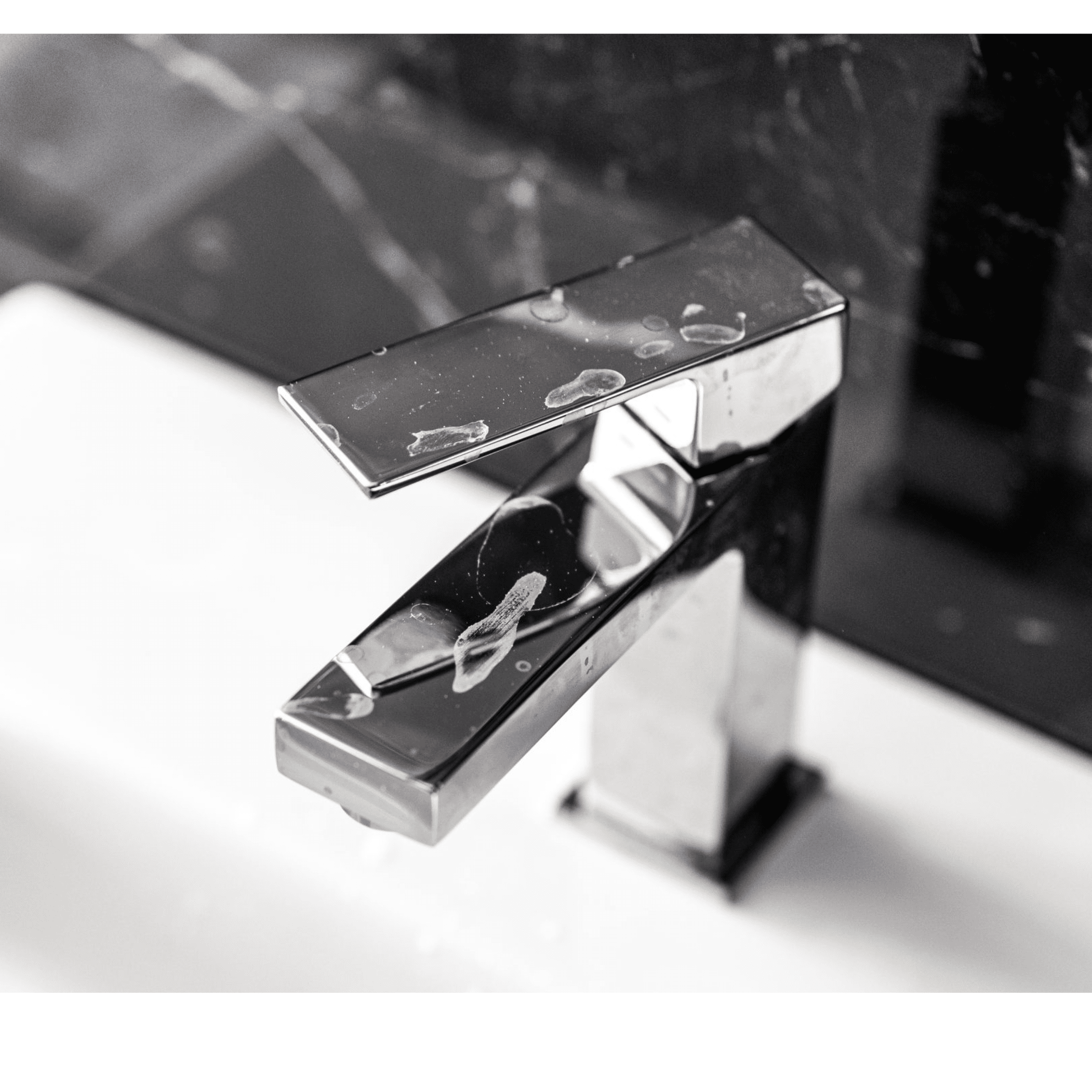
The installation must allow the probe to be easily removed, checked and cleaned. This access is particularly important when the effluent contains suspended solids, grease or compounds that promote deposits on the optical windows. Even when an automatic cleaning system is integrated, inspections are still required. The maintenance frequency can be adjusted after the first few weeks of use, according to the fouling observed and the actual conditions at the measurement point.
What are the limitations of this measurement?
UV254 measurement does not directly assess total organic matter. It measures the absorption produced by compounds that respond to the 254 nm wavelength. Substances that absorb little or not at all at this wavelength may be under-represented in the signal. This is particularly the case for certain sugars, alcohols or saturated carboxylic acids. An effluent rich in these types of compounds may therefore have a high organic load without producing a proportional variation in the UV254 signal. Spot analyses carried out using a reference method remain necessary to confirm a result, verify a correlation or meet a regulatory requirement.
Integrating UV254 into a control strategy
UV254 monitoring complements spot analyses by providing a continuous view of variations in organic matter. It helps identify quality changes as they occur and guide additional checks when necessary.
Aqualabo supports operators, industrial companies and water-sector stakeholders in selecting water quality control and analysis instruments, as well as in their installation and connection to the existing measurement chain.