Total suspended solids (TSS): an indicator for your industrial discharges
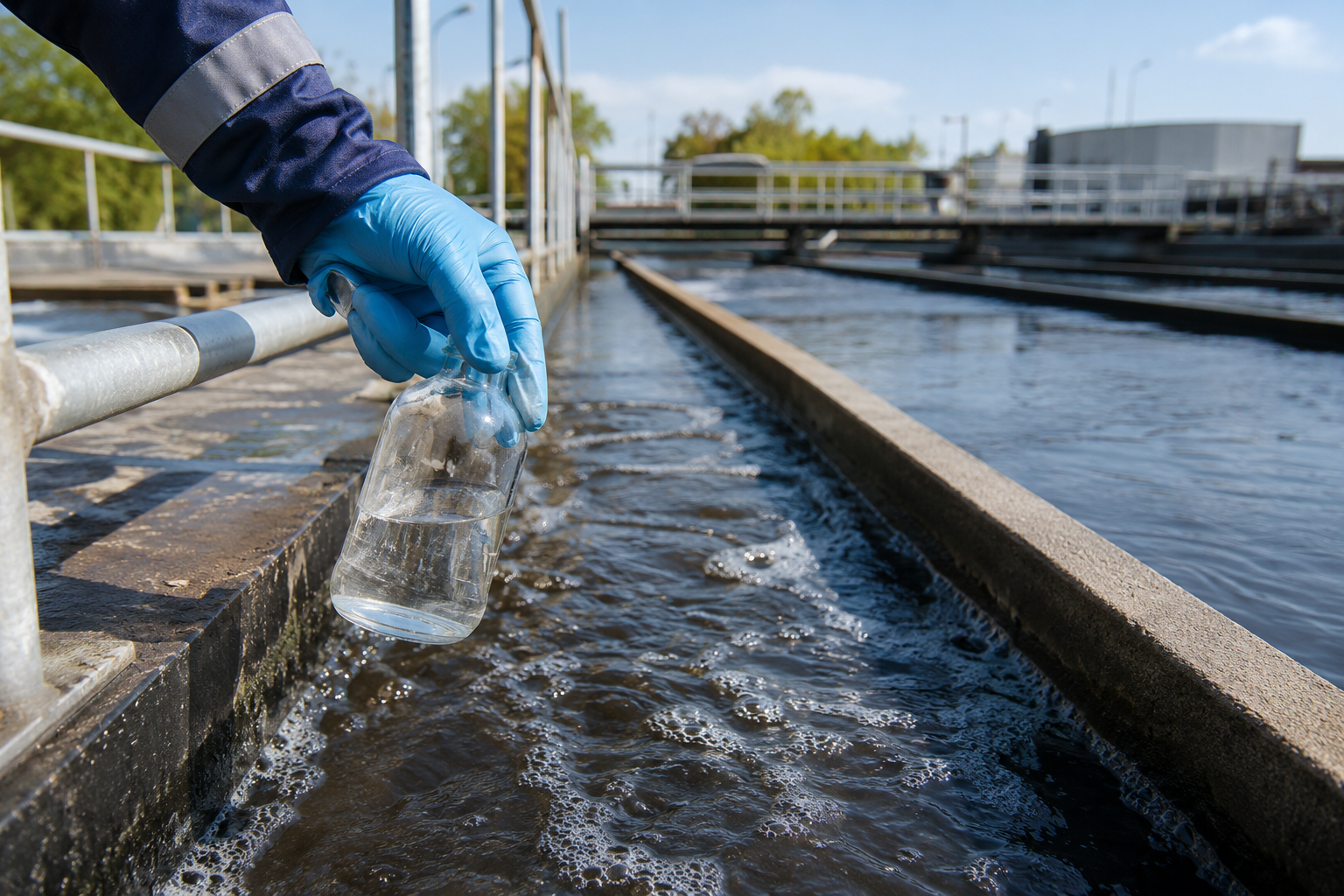
In discharge management, the concentration of total suspended solids (TSS) provides direct information about the amount of solid particles present in an effluent. It affects discharge quality, the operation of treatment facilities and regulatory compliance. In the field, an increase in TSS often results in deposits, clogging, higher turbidity or unstable treatment performance.
For an operations manager, an environmental technician or a process manager, monitoring TSS helps provide an objective picture of what is happening in the effluent and makes it possible to respond accordingly in the event of process drift. This article presents the definition, the causes of increase, the differences from turbidity and the various measurement methods.
What are total suspended solids?
Total suspended solids (TSS) refer to all non-dissolved particles present in water. They may be mineral in nature, such as fine sand, oxides or process-related particles, or organic, such as biological flocs, fibres, production residues or sludge. Unlike dissolved matter, these particles remain suspended and can be separated by filtration. In industrial discharges, TSS levels vary significantly depending on industrial activity, production phases, cleaning operations and the efficiency of separation steps such as screening, sedimentation, flotation or filtration.
From an operational perspective, TSS is used to characterize an effluent, monitor treatment efficiency and document compliance. It is also a useful indicator for comparing periods or process setting changes.
Why is TSS increasing in my effluents?
An increase in TSS in an industrial effluent may result from several situations. At many sites, variations are linked to production phases, cleaning operations or hydraulic fluctuations within the facilities.
For example, during the cleaning of production lines or tanks, particles may be resuspended and enter the effluents. Likewise, unstable operation of a settling tank, sludge carryover or a change in flow rate may temporarily increase particle concentration in discharges.
What is the difference between TSS and turbidity?
TSS corresponds to the quantity of non-dissolved solid particles present in water. Turbidity, by contrast, describes the cloudy appearance of water caused by suspended particles. It depends on the way these particles scatter or absorb light. Water containing a high load of particles generally shows high turbidity, but the relationship between turbidity and TSS varies depending on the size, shape and nature of the particles.
Two effluents may therefore show similar turbidity while having different TSS concentrations. Conversely, certain very fine particles may strongly affect turbidity without representing a significant mass.

Why monitor TSS in industrial discharges?
An indicator of pollution and treatment performance
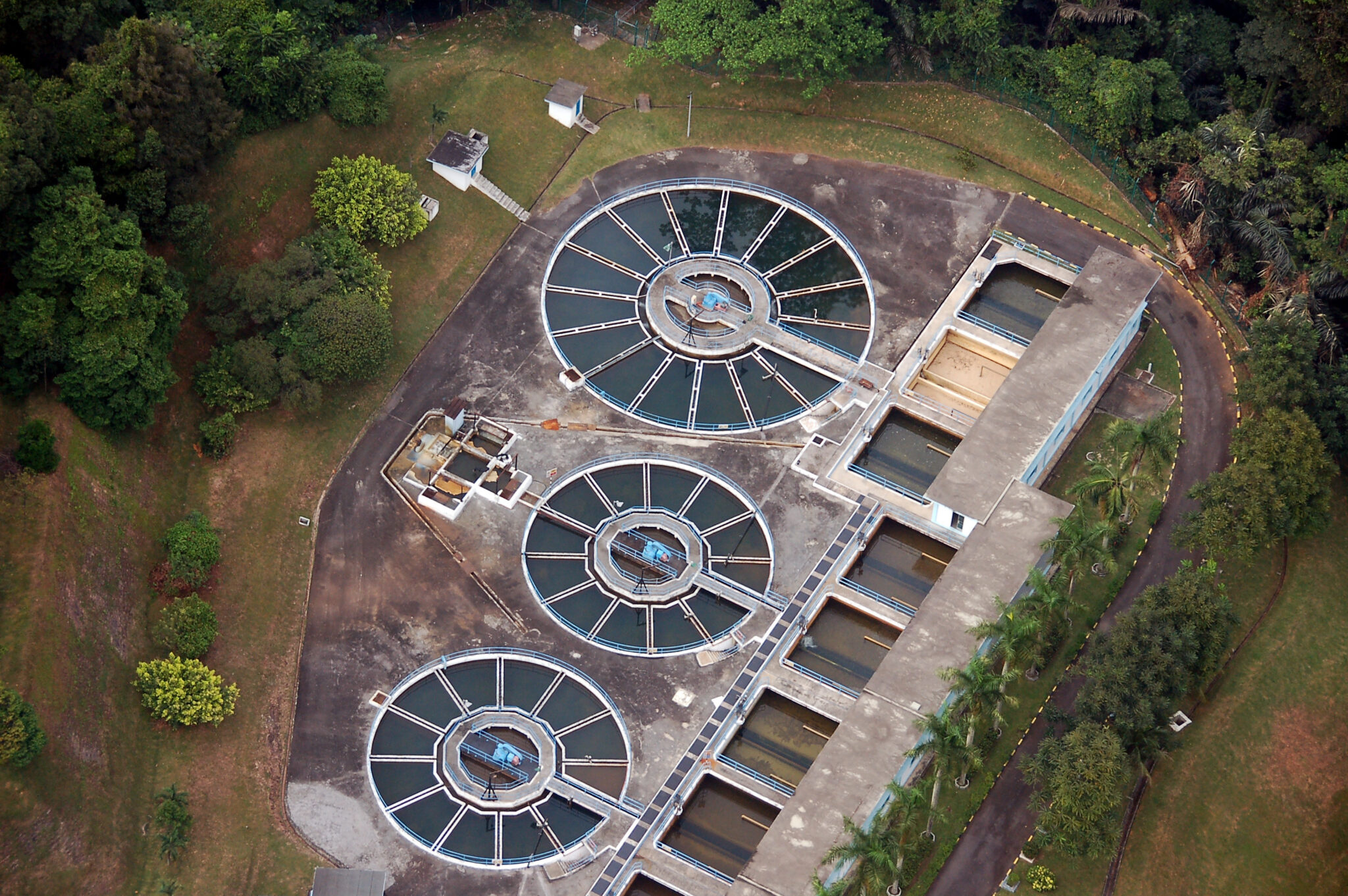
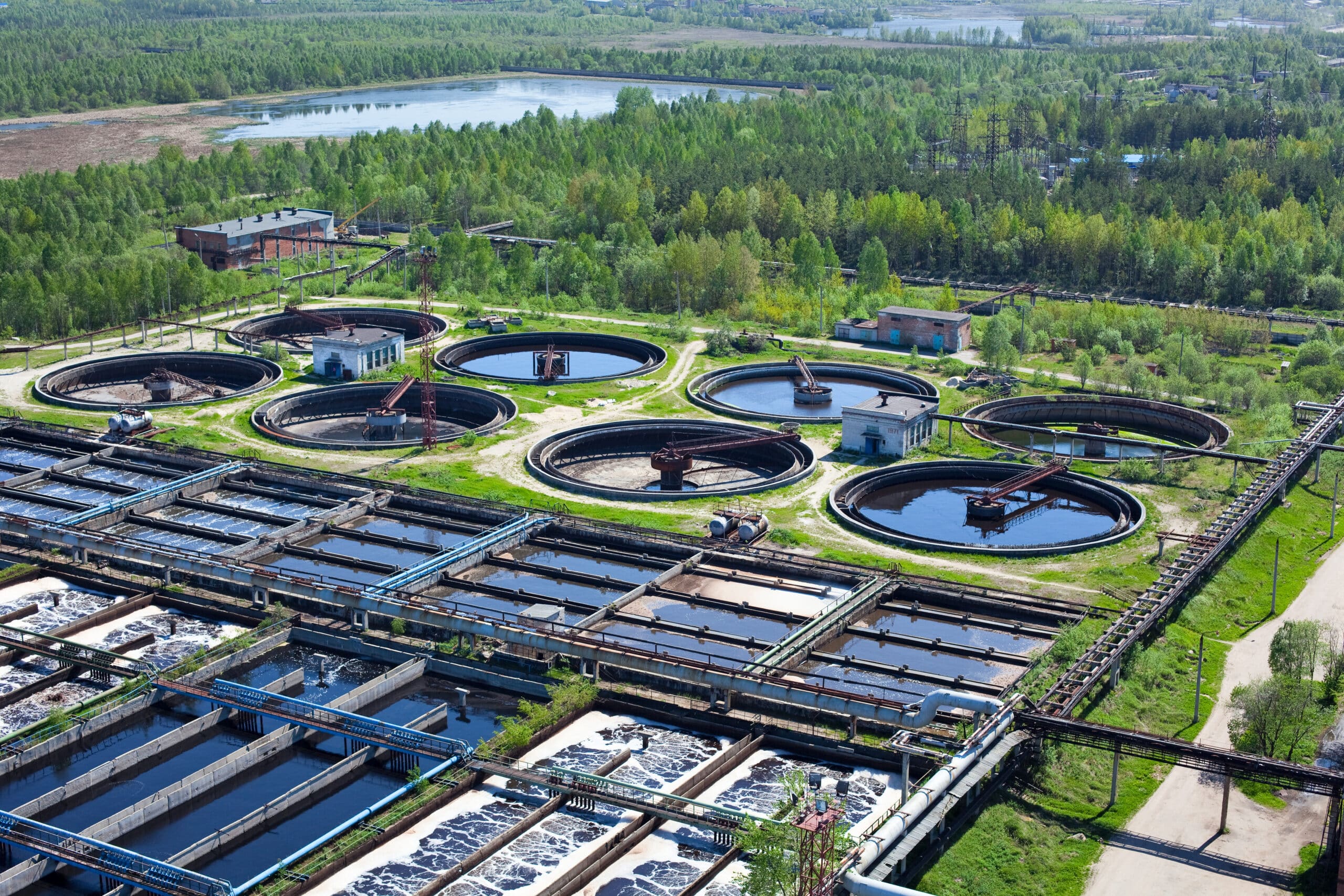
At an industrial site, the concentration of TSS in discharges directly reflects the effectiveness of separation units. When a settling tank, flotation process or filtration system operates properly, a large share of solid particles remains in the sludge or in the treatment equipment.
When these installations become unstable, operators often observe an increase in TSS in the final effluent. This situation may occur in cases of sludge carryover, hydraulic imbalance or poor coagulation in physico-chemical treatment processes.
In the day-to-day operation of an industrial treatment plant, TSS variations help teams identify more easily the origin of a change in discharge quality, whether linked to a treatment stage or a process disturbance.
What are the regulatory limits for TSS in industrial discharges?
Industrial wastewater discharges are generally subject to regulatory thresholds defined by the applicable permits and local environmental requirements. For suspended solids, these limits may vary depending on the type of installation, the daily discharge load and the treatment process used. In some cases, stricter thresholds apply to high-load discharges, while specific treatment configurations may allow different limit values.
These values serve as general compliance references but may be adjusted in the operating permit or authorization applicable to each facility.
Technical impacts on installations
A high TSS concentration may also disrupt the operation of treatment installations. Solid particles can accumulate in equipment and cause progressive fouling.
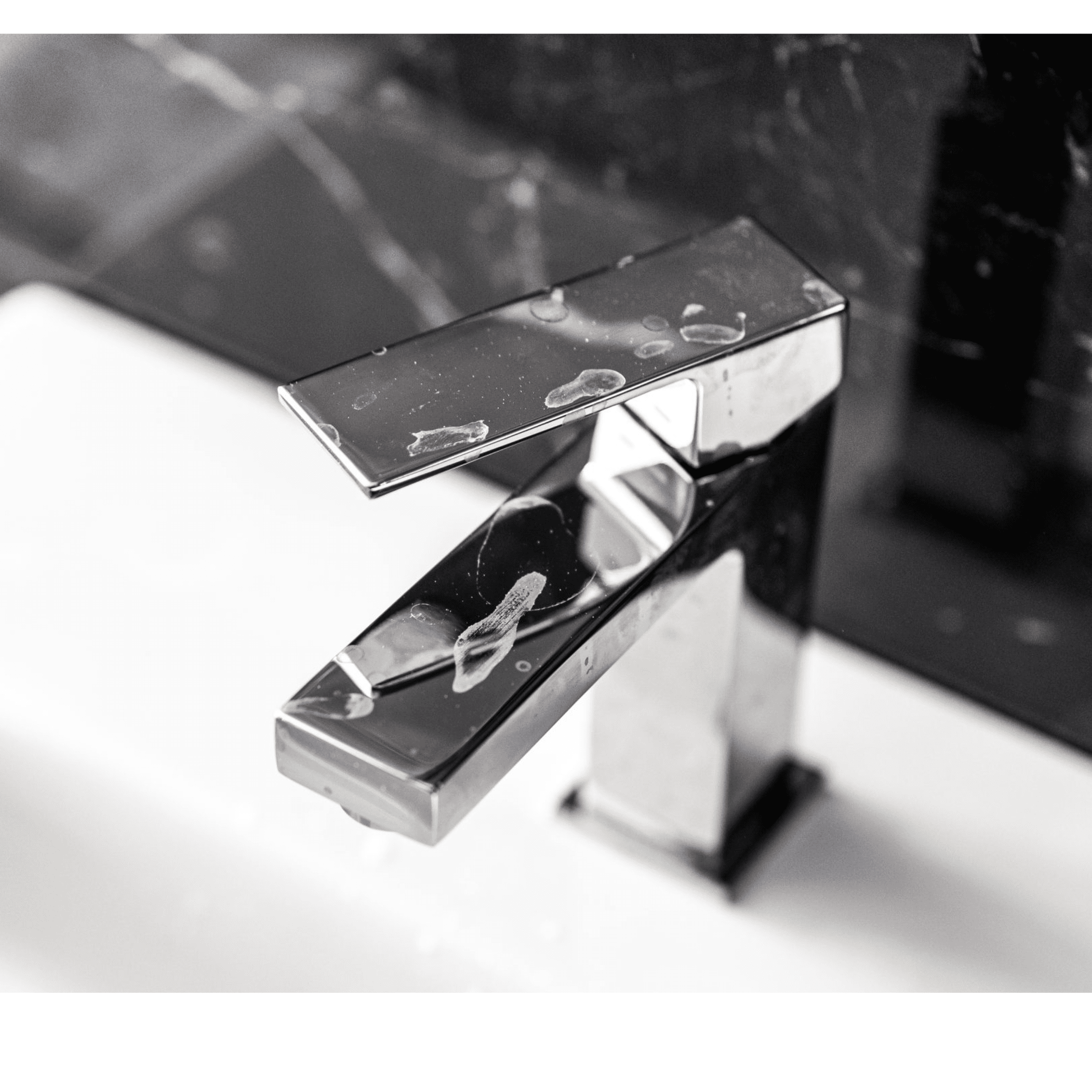
Operators may then observe filter clogging, reduced efficiency of certain treatment units or increased cleaning operations. In pipe networks, these particles may also form deposits that are later resuspended when flow conditions change.

How are total suspended solids measured in industrial effluents?
Gravimetric measurement in the laboratory
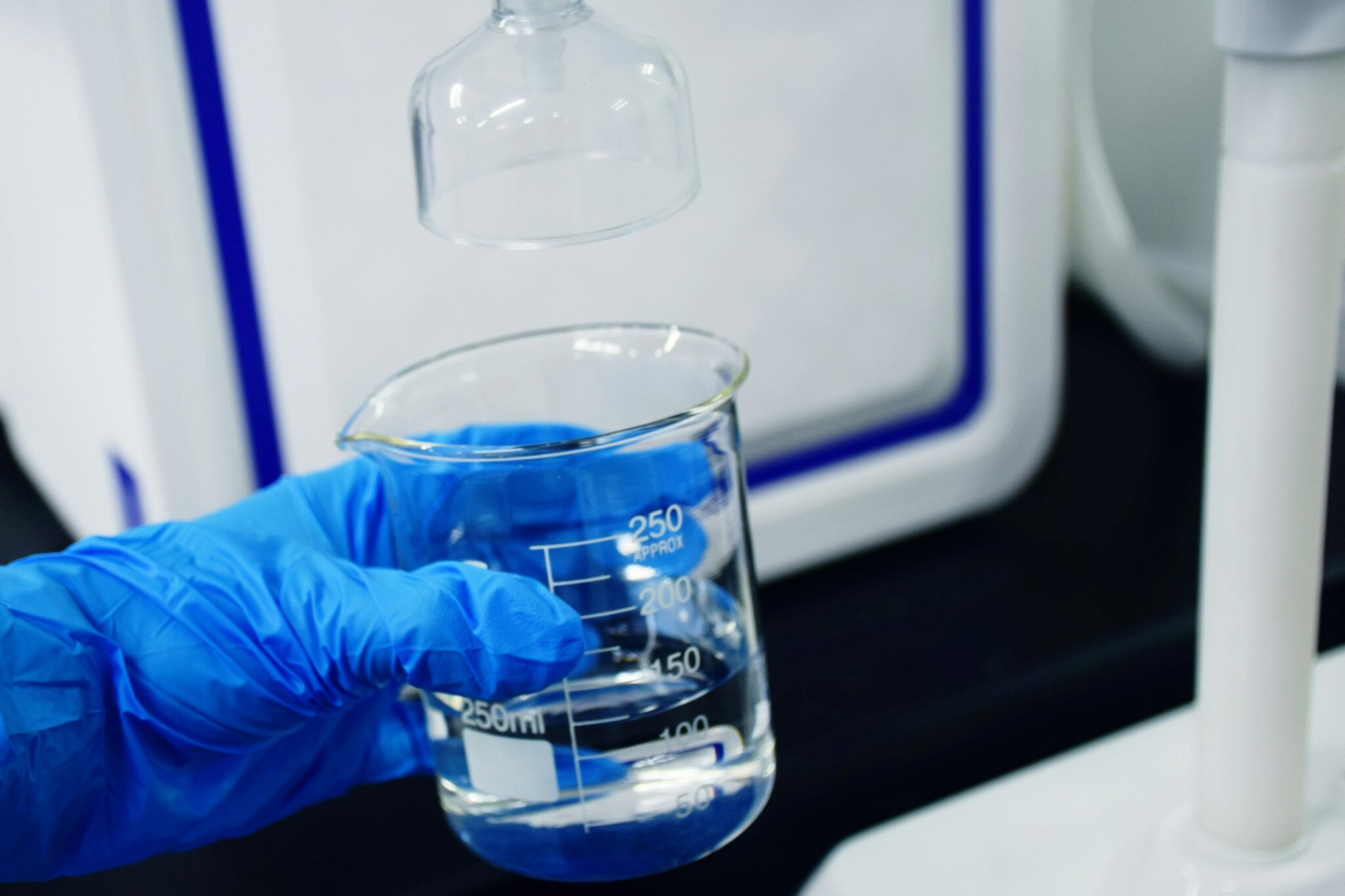
The gravimetric method is based on filtering a volume of water and then weighing the retained particles. A glass fibre filter, with a standard pore size of 0.45 µm or 1.2 µm, is first weighed after drying at 105°C in order to remove all residual moisture. A known sample volume is then filtered through this filter. The filter containing the particles is subsequently placed in an oven at 105°C for at least two hours before being weighed again.
The concentration of total suspended solids (TSS) is calculated using the following formula:
TSS (mg/L) = (mass of loaded filter − mass of empty filter) × 1000 / filtered volume (mL)
This method provides an accurate measurement but requires laboratory facilities and a relatively long analysis time.
Optical measurement of suspended solids
Optical sensors make it possible to measure TSS concentration directly in water. These devices use the interaction between light and solid particles to assess the amount of material present in the effluent.
This technology enables near-instant measurement, without sampling or handling, which makes it particularly suitable for continuous monitoring of industrial effluents.
AQUALABO sensors for discharge monitoring
Designed for industrial environments, Aqualabo TSS sensors can be integrated into existing installations and are suited to on-site operating conditions.
TSS measurement sensor
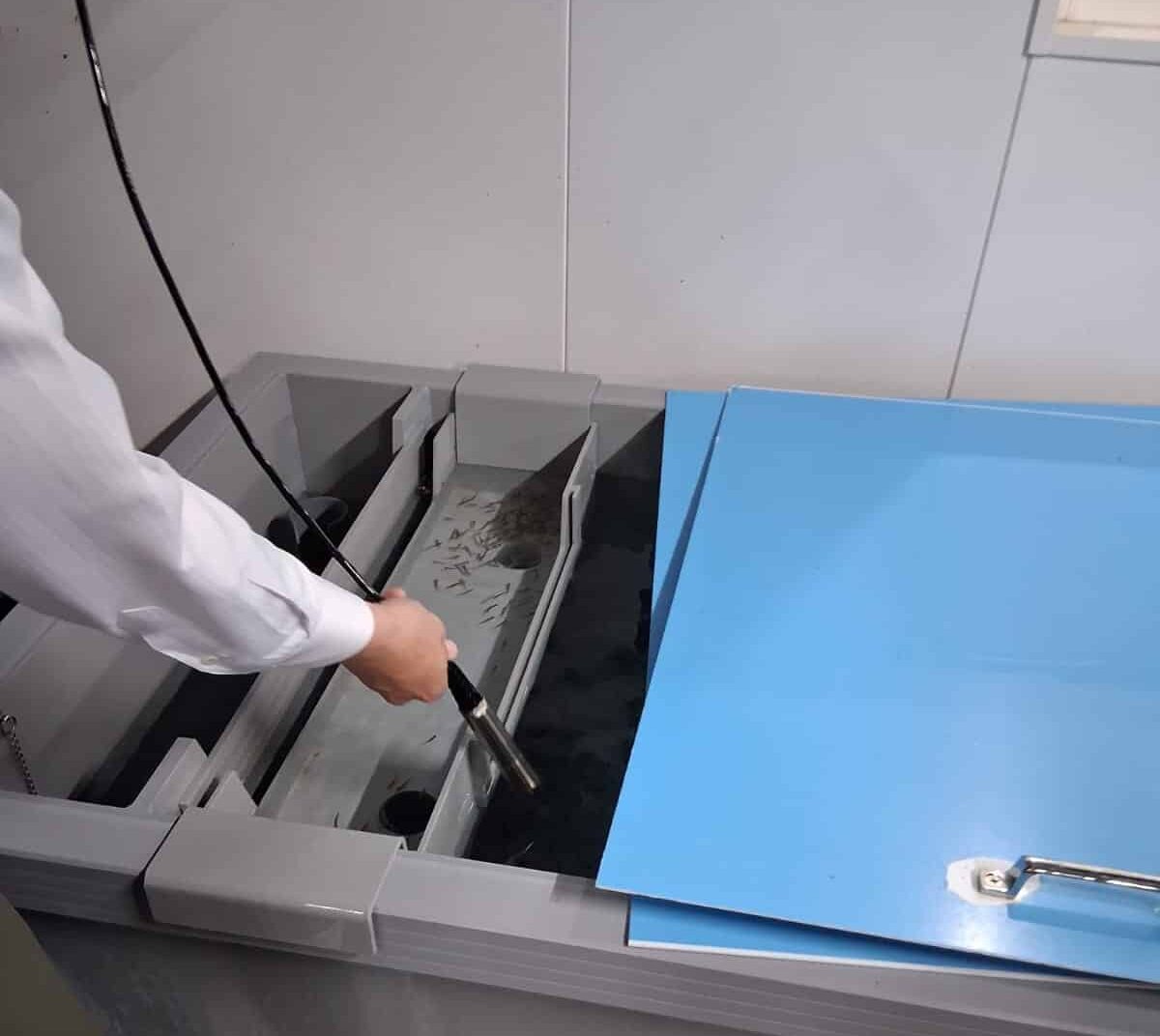
The MES5 sensor measures total suspended solids (TSS) and turbidity using infrared optical absorptiometric technology. This method is used for monitoring industrial effluents and wastewater treatment plants.
The transmittance signal is calibrated at two points: 0% by signal extinction and 100% with distilled water. Turbidity in FAU is calibrated using formazin, and TSS is calibrated from a real sample. Up to ten calibration coefficients can be stored in order to adapt the measurement to different effluents. Its Modbus communication facilitates integration into supervision or process control systems.
NEON TSS portable instrument
The NEON portable instrument, used with the MES5 sensor, makes it possible to measure total suspended solids (TSS), turbidity, sludge blanket level and temperature in wastewater treatment plants and sludge treatment lines.
The instrument can store up to 30,000 measurement points, in spot mode or automatic mode. The data can then be transferred to a computer using the WiFi Transfer function, without a wired connection.

Monitor TSS to control your discharges
Observing TSS makes it possible to track the evolution of the solid load present in industrial effluents. Measured variations can be linked to concrete situations on site: a production change, drift in a treatment unit or a change in hydraulic conditions within the installations.
A French company specializing in water quality analysis, Aqualabo develops measurement solutions adapted to industrial environments and on-site operating constraints.
To learn more about our solutions or speak with our teams, contact us via our form.