Redox potential measurement in water: understanding and monitoring ORP
Redox potential measurement in water, also known as oxidation-reduction potential or ORP, assesses the balance between oxidized and reduced forms of the compounds present in an aqueous medium. Expressed in millivolts (mV), it provides information on the oxidizing or reducing state of the water.
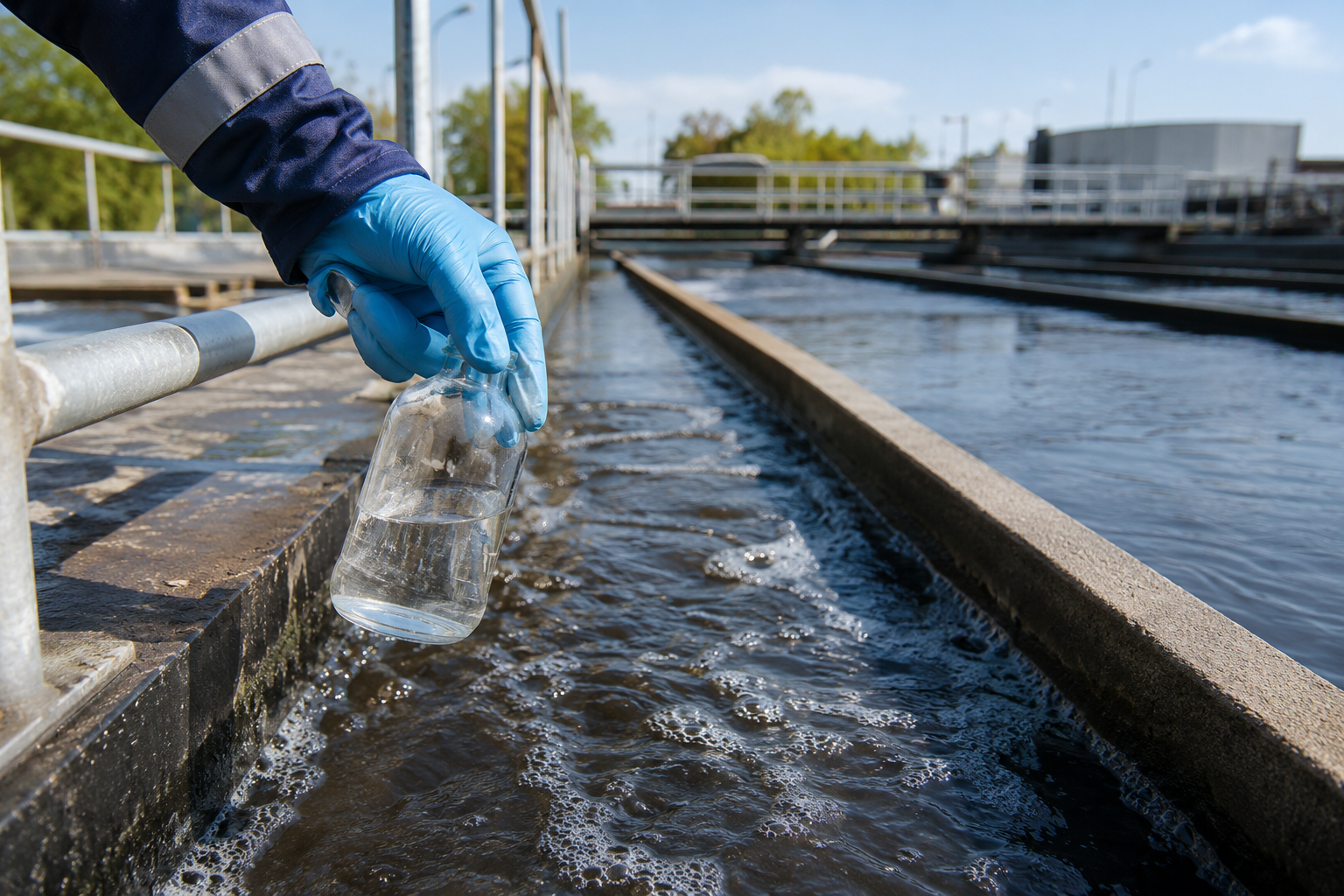
For operators, technicians and quality managers, this measurement helps monitor the effect of a treatment, the evolution of a process or the identification of a process drift. To obtain usable data, the measurement point, monitoring frequency and associated parameters must be defined according to the process being monitored.

Why measure redox potential in water?
Assessing the balance between oxidants and reductants
Redox potential reflects the tendency of a medium to gain or lose electrons. A positive value indicates a rather oxidizing environment. A lower value, or even a negative value depending on the application, indicates a more reducing environment. This measurement provides complementary insight into the chemical state of the water: two waters with a similar pH may react differently depending on the compounds present, the treatment applied or the biological activity of the medium.
Understanding the state of the medium after treatment
In water treatment, redox helps analyze the oxidizing or reducing state of the medium after a process stage: disinfection, aeration, biological treatment, reagent dosing or circulation in an industrial loop. The measurement is not only used to record a value. It makes it possible to link this value to the chemical or biological behaviour of the water at a given time. It therefore provides a useful reference when pH, temperature or other parameters are not sufficient to explain the observed change.
In which sectors is redox measurement used?
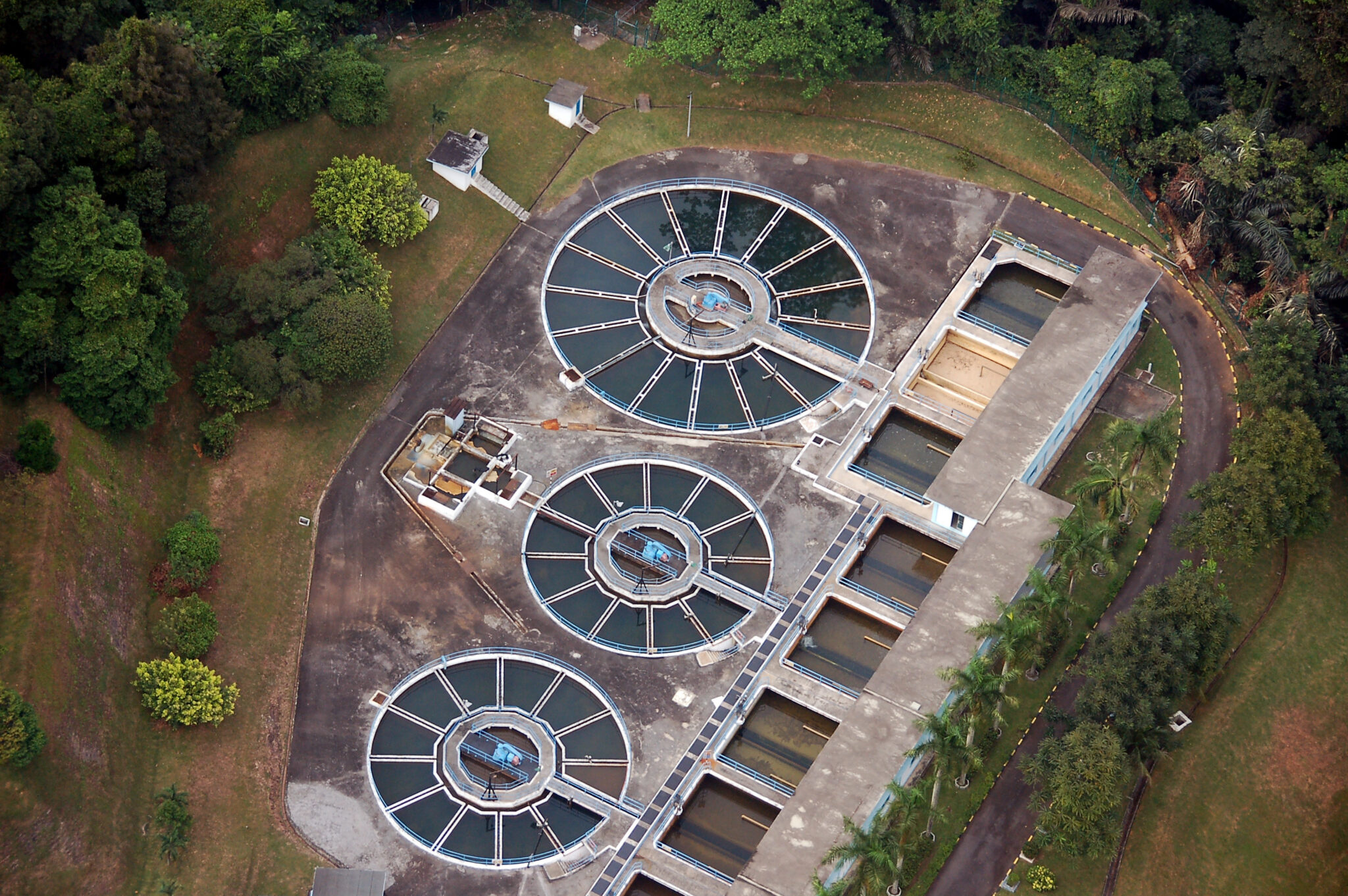
Disinfection control in drinking water
In drinking water, redox measurement complements disinfection control. It provides an indication of the oxidizing nature of the water after treatment, in connection with the monitoring of residual disinfectant, pH and temperature.
Monitoring industrial and cooling water
In industrial water, cooling water or process water, ORP is used to monitor the effects of applied treatments, variations linked to make-up water or changes in operating conditions.
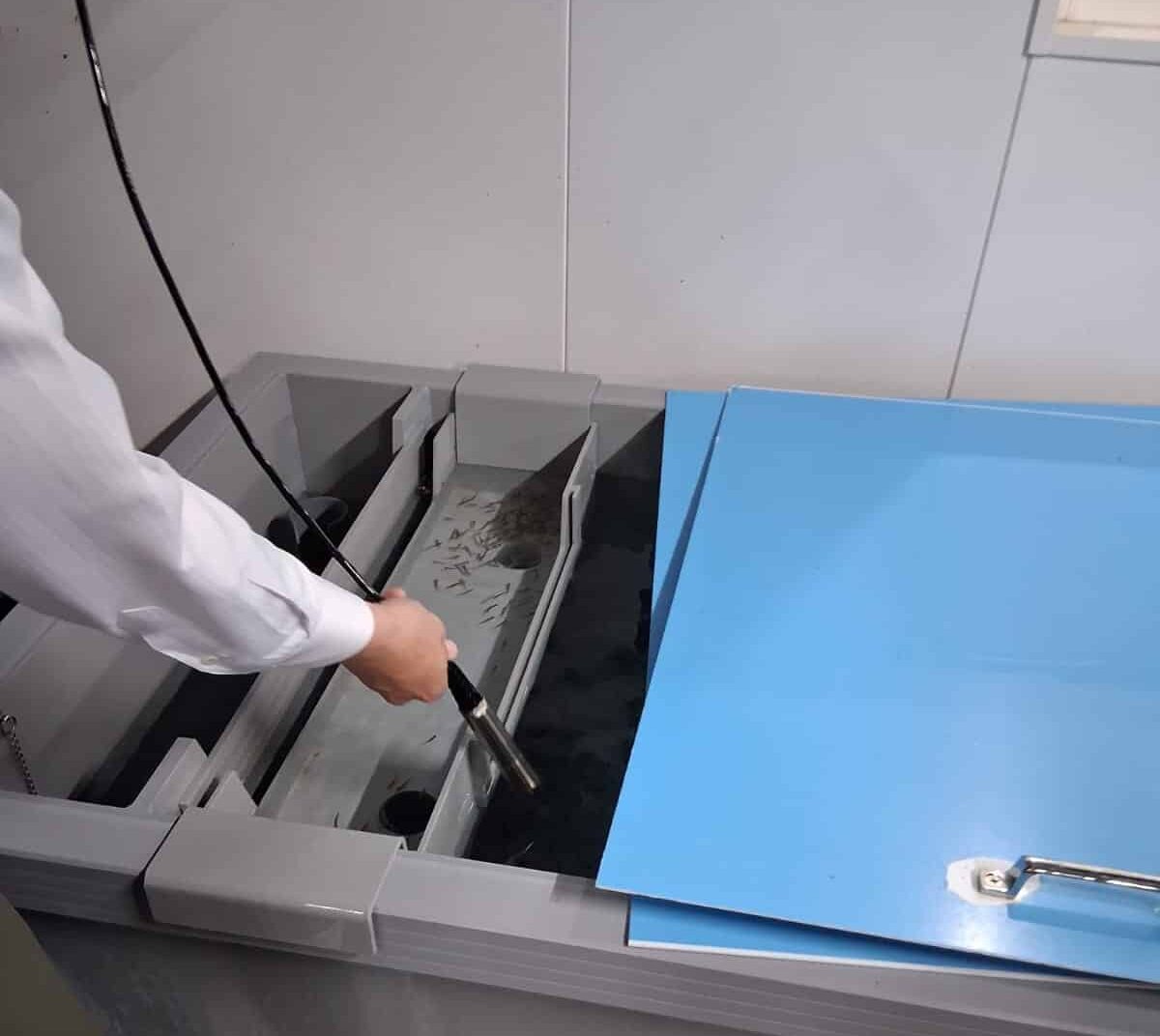
Basin monitoring in aquaculture and fish farming
In aquaculture and fish farming, redox is part of broader basin monitoring, alongside pH, temperature, dissolved oxygen and turbidity. It helps track the effects of a high organic load, insufficient oxygenation or modified water renewal in basins.
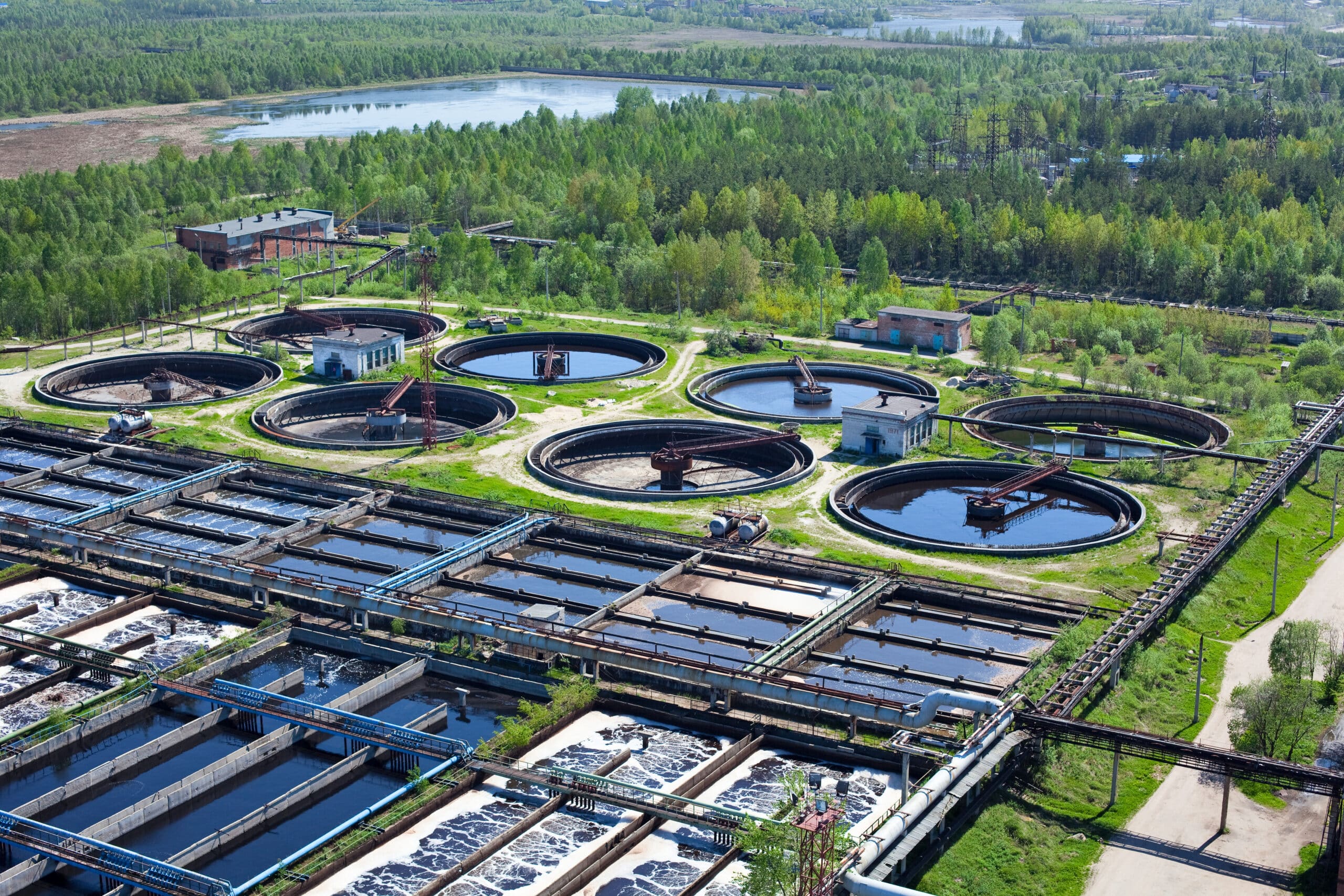
Monitoring biological stages in wastewater
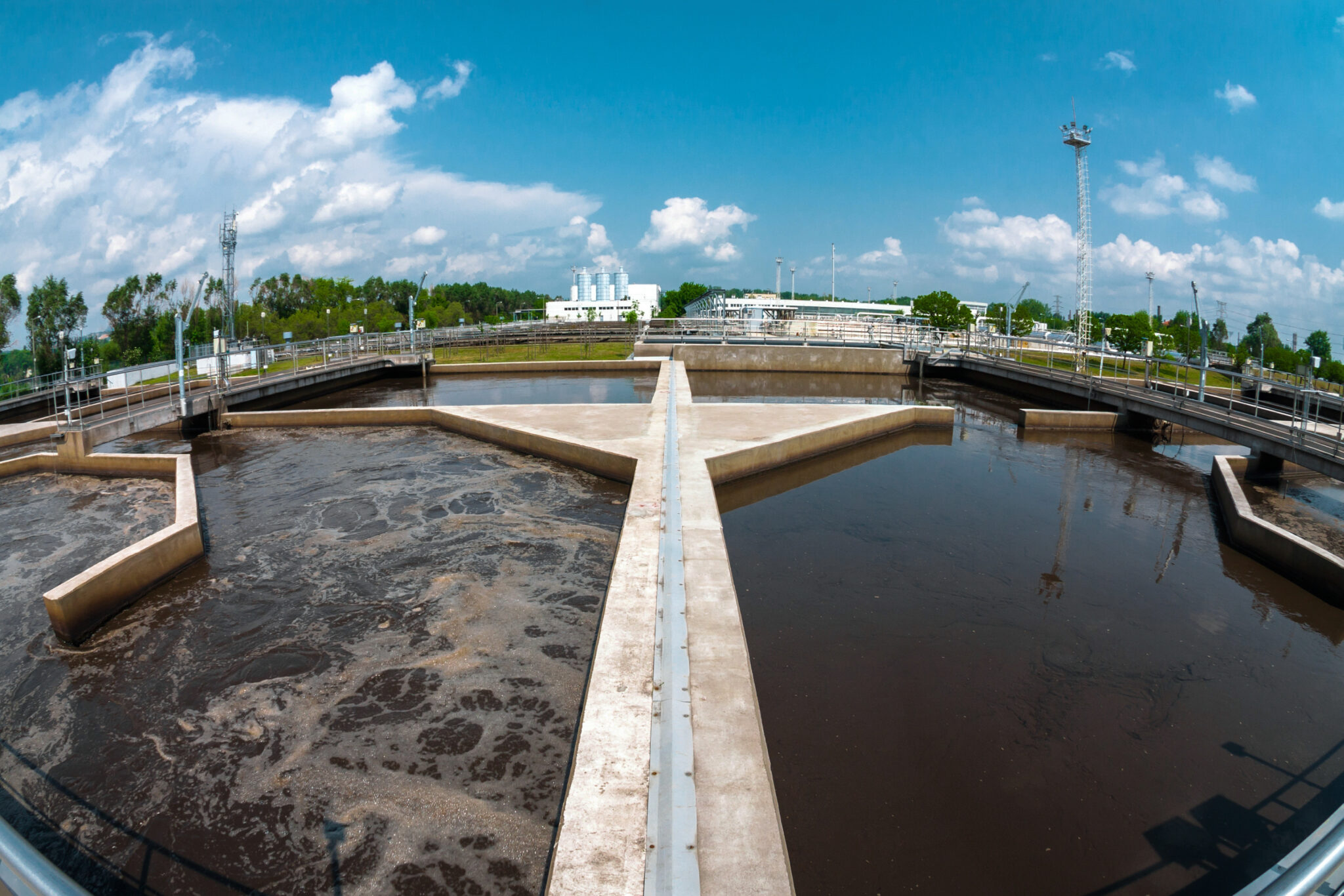
In wastewater, ORP helps monitor changes in conditions within a basin or biological reactor, particularly during alternations between aerated, low-oxygen or reducing phases. This reference point can be useful for verifying the progress of a biological stage and detecting unusual process behaviour.
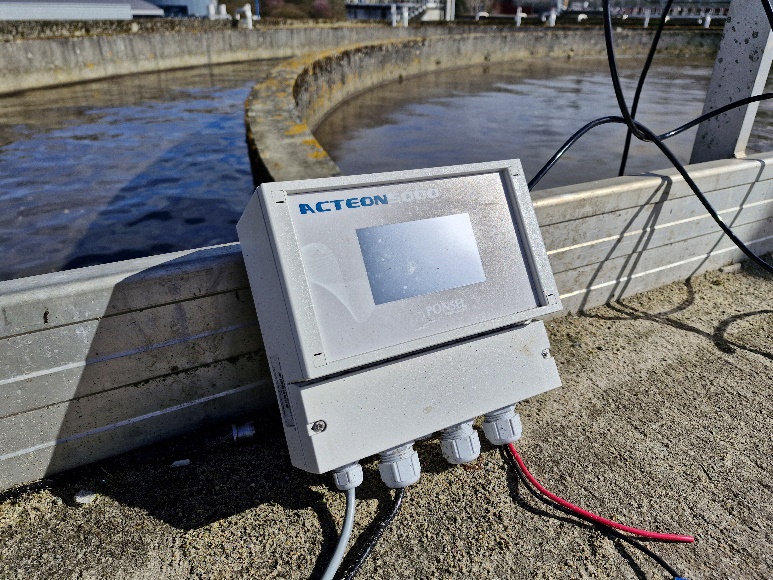
Application in a wastewater treatment plant: monitoring redox in a biological basin
As part of a measurement campaign carried out at a municipal wastewater treatment plant, redox potential had to be monitored for one month in a biological treatment basin. The purpose of this measurement was to monitor oxidation levels in the wastewater, identify possible aeration malfunctions and collect regular data to document the evolution of the basin.
For this application, the selected solution combined an ACTEON 5000 digital transmitter, an EHAN annular redox sensor and a 4-20 mA USB key. This configuration made it possible to retrieve redox data on a daily basis, after prior programming of the 4-20 mA signal on both the transmitter and the USB key.
How to integrate redox measurement into quality monitoring?
Defining relevant measurement points
The choice of measurement point determines the value obtained. ORP measured at the inlet, after treatment, in a basin, on a loop or at the outlet of an installation does not describe the same state of the medium. Before deploying redox measurement, the question the measurement must answer should therefore be clearly defined: verifying the effect of a treatment, monitoring a sensitive area, checking a deviation or documenting process behaviour.
Measurement points must remain accessible, representative and compatible with operating constraints. A probe placed in a poorly mixed, fouled area or an area subject to deposits will provide less reliable information. The right location takes into account hydraulics, contact times, treatment phases and possible maintenance interventions.
Monitoring variations over time
ORP becomes most usable when it is monitored over time, at the same point and using a consistent method. Successive readings make it easier to identify a break in trend, a return to equilibrium after an intervention or unusual process behaviour.
Manual monitoring may be sufficient for spot checks. However, a variable process, a remote site or a sensitive installation may require more frequent measurements. In this case, continuous recording provides a more detailed view of cycles, peaks, trend breaks and the effects of corrective action.
Cross-referencing redox with other physico-chemical parameters
Redox potential is rarely interpreted on its own. pH, temperature, dissolved oxygen, turbidity or conductivity help place the redox value within the context of the monitored medium. An isolated variation does not have the same meaning as a variation associated with a drop in oxygen, an increase in turbidity or a change in pH.
Which equipment should be used to monitor redox potential?
Redox sensors for fixed installations
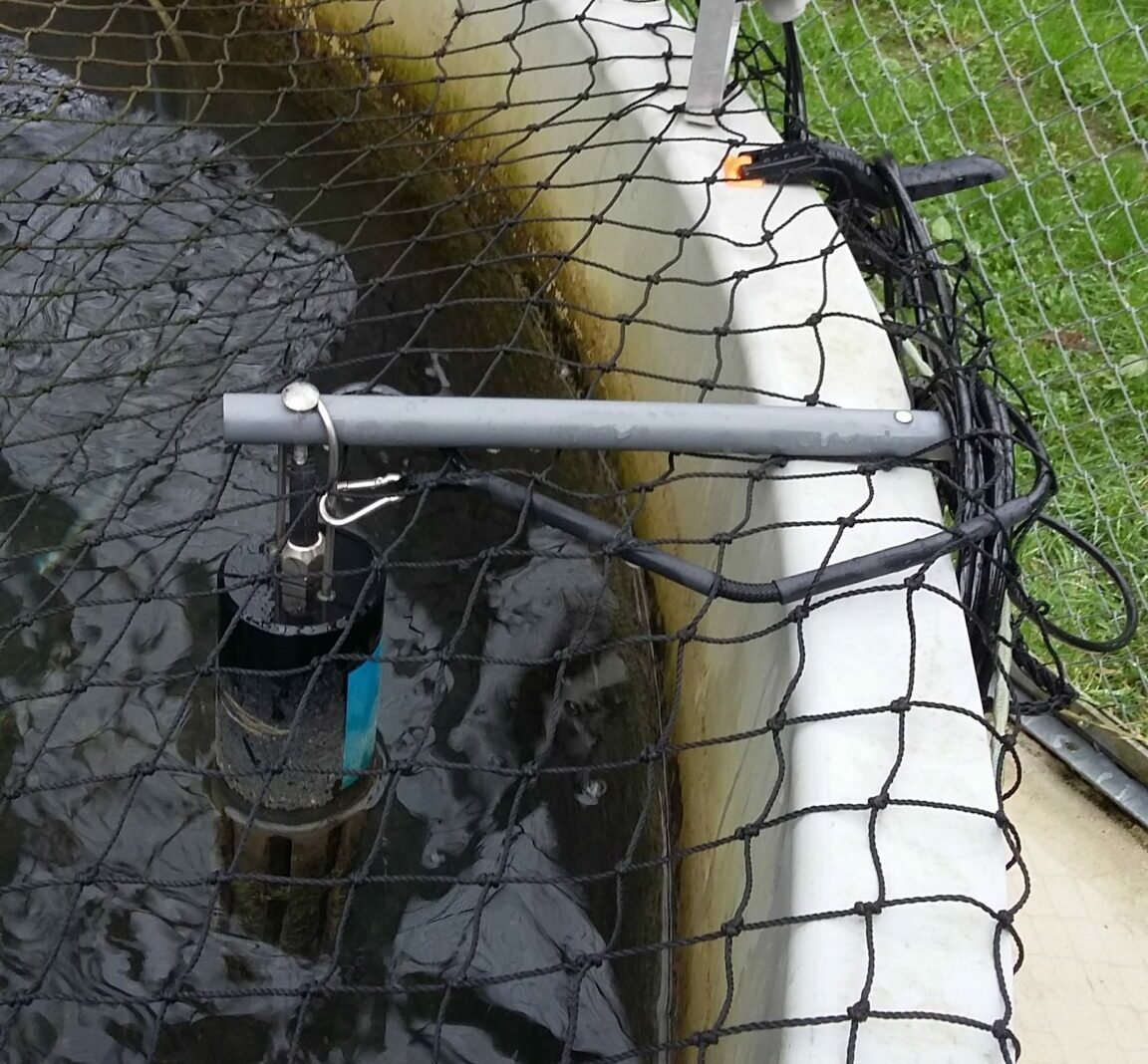
Redox sensors for fixed installations are suitable for sites that require regular or continuous measurement at a defined point. They are suited to basins, pipes, treatment loops, process structures or installations where the operator needs a usable signal directly from the supervision system.
The choice of sensor depends on the nature of the water, accessibility, maintenance constraints and installation environment. Fixed measurement also requires particular attention to installation, cleaning, verification and calibration according to the manufacturer’s recommendations.
Portable instruments and field checks
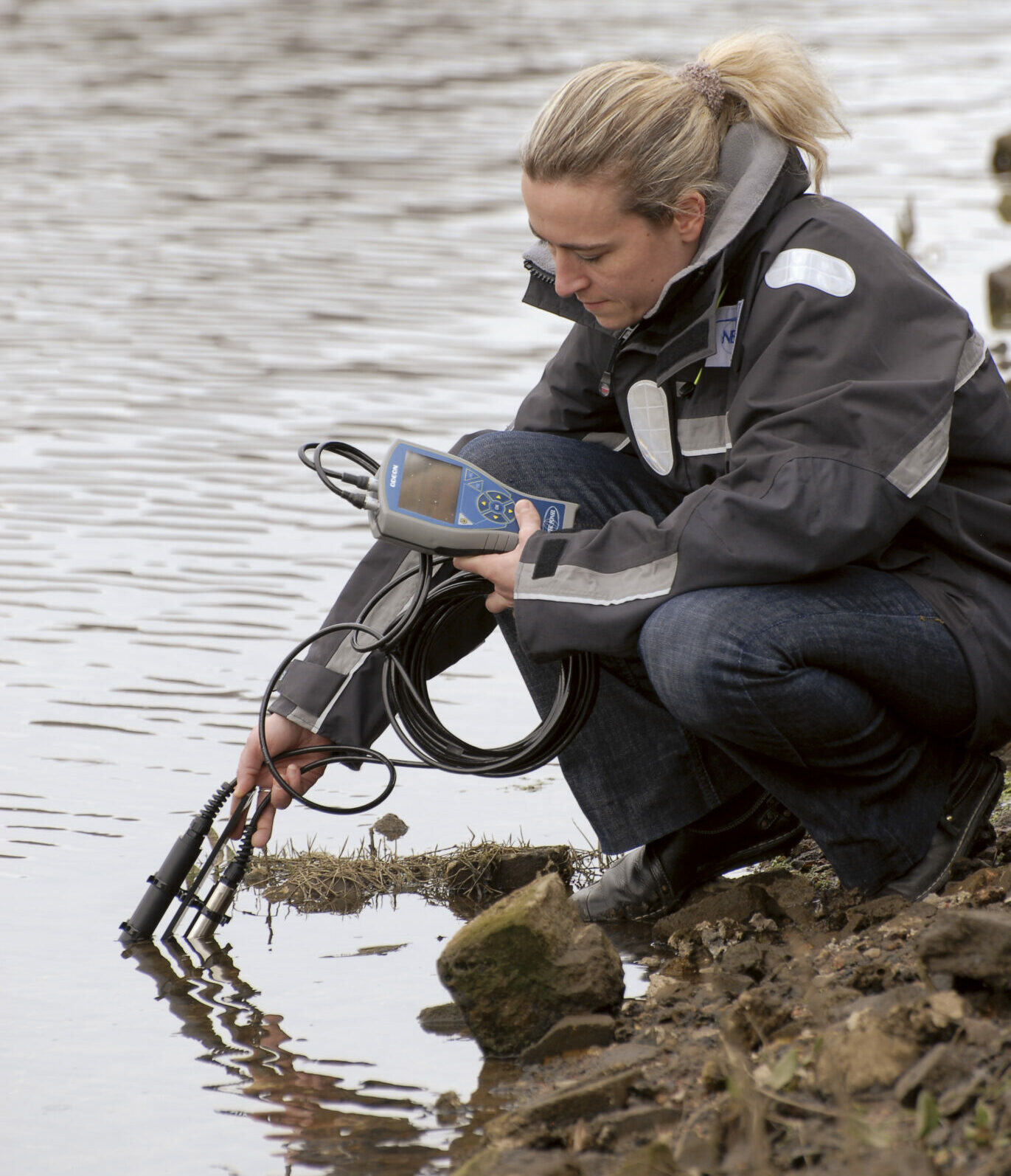
Portable instruments meet the needs of spot checks, on-site verification or diagnostics after an intervention. They are useful when a technician needs to compare several points, check an installation before restart or confirm a deviation observed on a fixed system.
For reliable field checks, the probe must be suitable for the sample, properly rinsed and used under consistent conditions from one reading to the next. Temperature, stabilization time and electrode condition influence the quality of the result.
Multiparameter probes and overall visibility
Multiparameter probes combine several measurements within the same piece of equipment. Depending on the configuration, they can include pH, redox, temperature, dissolved oxygen, conductivity or other parameters. They are useful when several parameters need to be monitored at the same measurement point, without multiplying equipment.
Connected solutions and continuous monitoring
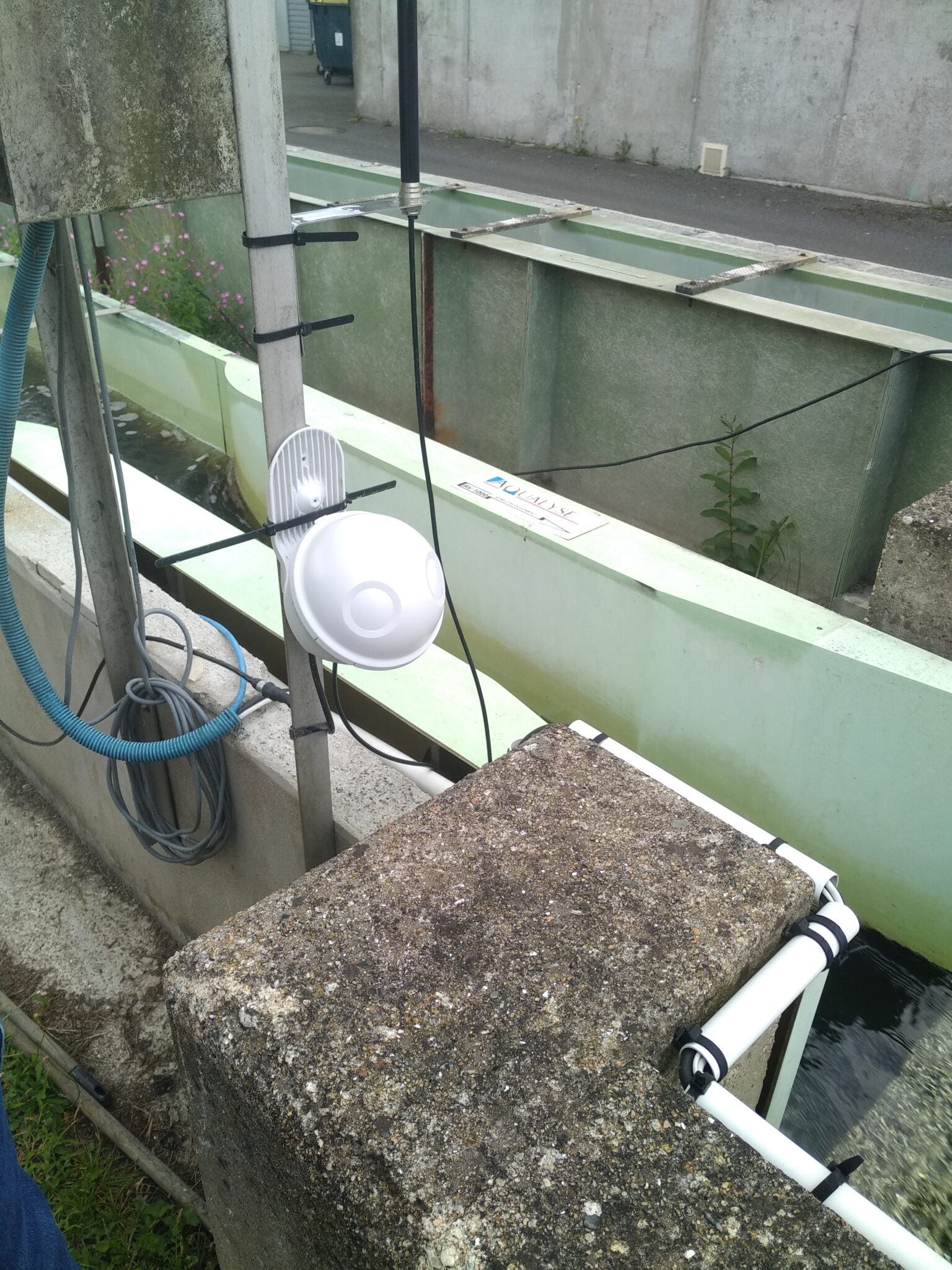
Connected solutions address situations where monitoring frequency, the distance of measurement points or the criticality of the installation make manual monitoring insufficient. Data can be transmitted, historically recorded and accessed remotely depending on the chosen architecture.
The operator then benefits from a more regular view of changes, trend breaks and transient episodes.
Using redox measurement in water quality monitoring
Redox potential measurement provides useful information for monitoring the oxidizing or reducing state of water, provided that it is interpreted in context: measurement point, history, associated parameters and operating conditions. Depending on requirements, it can be carried out with a portable instrument, a fixed sensor, a multiparameter probe or a connected solution.
AQUALABO supports water professionals in selecting equipment suited to spot checks, continuous monitoring and multiparameter water quality monitoring.