LowTuS
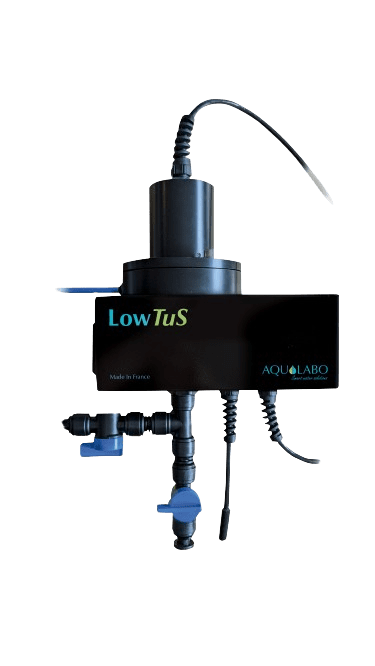
Aqualabo's LowTuS turbidity probe employs an ISO 7027 compliant nephelometric method, ensuring precise turbidity measurements from 0 to 100 NTU. Its unique self-cleaning mechanism guarantees sustained accuracy in time.
Learn more
Aqualabo designs optical turbidity sensors for professionals who cannot afford to doubt their measurements. Based on nephelometric technology, they deliver accurate and reproducible results across all your applications: Drinking water, wastewater, surface water and process water.
Built-in calibration, digital communication and immediate integration into your existing infrastructure: our sensors adapt to your on-site requirements, not the other way round.
Aqualabo’s LowTuS turbidity probe employs an ISO 7027 compliant nephelometric method, ensuring precise turbidity measurements from 0 to 100 NTU. Its unique self-cleaning mechanism guarantees sustained accuracy in time.
Aqualabo's LowTuS turbidity probe employs an ISO 7027 compliant nephelometric method, ensuring precise turbidity measurements from 0 to 100 NTU. Its unique self-cleaning mechanism guarantees sustained accuracy in time.
Learn moreAqualabo’s NTU optical turbidity probe measurement principle is based on the 90° infrared light-scattering nephelometry. A wide range of 0 to 4000 NTU, ensures accuracy in diverse water quality applications.
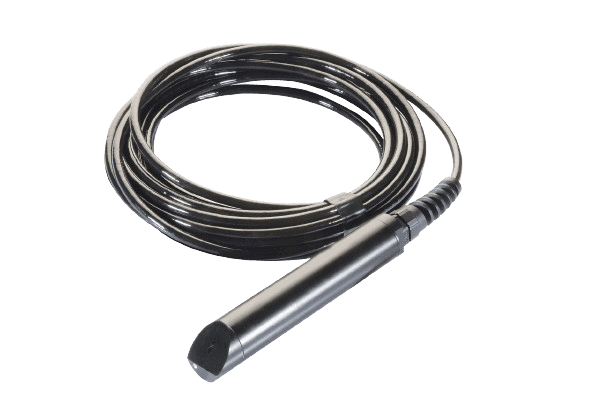
Aqualabo's NTU optical turbidity probe measurement principle is based on the 90° infrared light-scattering nephelometry. A wide range of 0 to 4000 NTU, ensures accuracy in diverse water quality applications.
Learn moreTurbidity serves as a crucial parameter in water quality assessment, playing a pivotal role in understanding the health and safety of water sources. Elevated turbidity levels can indicate the presence of suspended particles, sediment, or pollutants that may compromise water quality. Monitoring turbidity is imperative for regulatory compliance in both drinking and wastewater and ensures the effectiveness of water treatment processes. Digital and optical probes facilitate precise turbidity measurements, empowering industries and municipalities to proactively manage water quality, mitigate environmental impact, and safeguard public health. Accurate turbidity data not only ensures compliance with stringent standards but also contributes to sustainable water resource management practices.
Aqualabo’s advanced turbidity measurement solutions find multiple applications in critical sectors. Our NTU sensor is ideal for applications where a wide measuring range is required. These include municipal wastewater treatment, wastewater network assessment, industrial effluent monitoring, and surface water control. In all these applications, our sensor helps to efficiently manage treatments or provide real-time data critical to environmental protection. Meanwhile, the innovative LowTuS sensor is specifically designed for drinking water applications requiring precision and accuracy in the low range, in particular for monitoring the efficiency of filtration and treatment processes, as well as the turbidity of drinking water, vital for maintaining quality and guaranteeing public health.
Based on infrared scattering, our sensors provide accurate, consistent readings even in low ranges. The LowTuS sensor has an automatic cleaning feature to prevent false results and ensure effective turbidity monitoring. It incorporates an efficient debubbling system for highly accurate measurement of even the lowest values. The NTU sensor can be used for wider applications by direct immersion in the medium.
The flexibility of integration of our turbidity sensors via universal Modbus communication makes them the preferred choice for integration into an existing control or monitoring system. It is also possible to combine our probes with a fixed controller for local management, allowing the configuration of alarms or the implementation of regulations. Our sensors incorporate digital signal pre-processing to protect measurement reliability from interference, even in the most extreme conditions. Finally, the wide measuring ranges and innovative self-cleaning system are definite advantages.
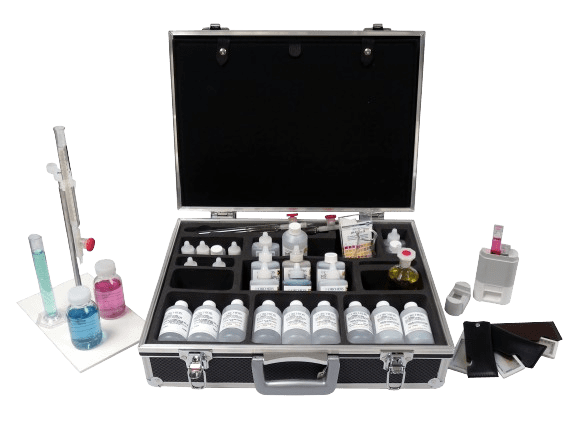
Calibration of a turbidity sensor requires the use of certified formazine standards of known concentration. After the initial calibration, accuracy checks are performed by re-measuring the standards. Adjustments may be necessary, and data documentation and periodic repeat calibration are critical to maintaining reliable measurements.
Maintenance of a turbidity sensor is essential to ensure optimum performance. Clean the sensor regularly to remove deposits that can affect measurements. An automatic cleaning system, as offered with the LowTuS Premium version, or anti-fouling accessories such as the hydroclean for the NTU probe, can optimize cleaning frequency. Calibrate the sensor periodically with known turbidity standards. Ensure that the sensor is protected from physical shock. Record calibration data and perform periodic checks.
The LowTuS sensor is equipped with special features, including debubbling and optional automatic cleaning systems. These features prevent interference from bubbles and deposits, ensuring accurate measurements even under difficult conditions. This design innovation increases the reliability of Aqualabo probes in providing accurate turbidity data for various applications.
The Modbus RS-485 and SDI-12 communication options provide seamless integration with a variety of devices, allowing for real-time data transmission. It also ensures reliable measurement by eliminating potential signal interference.

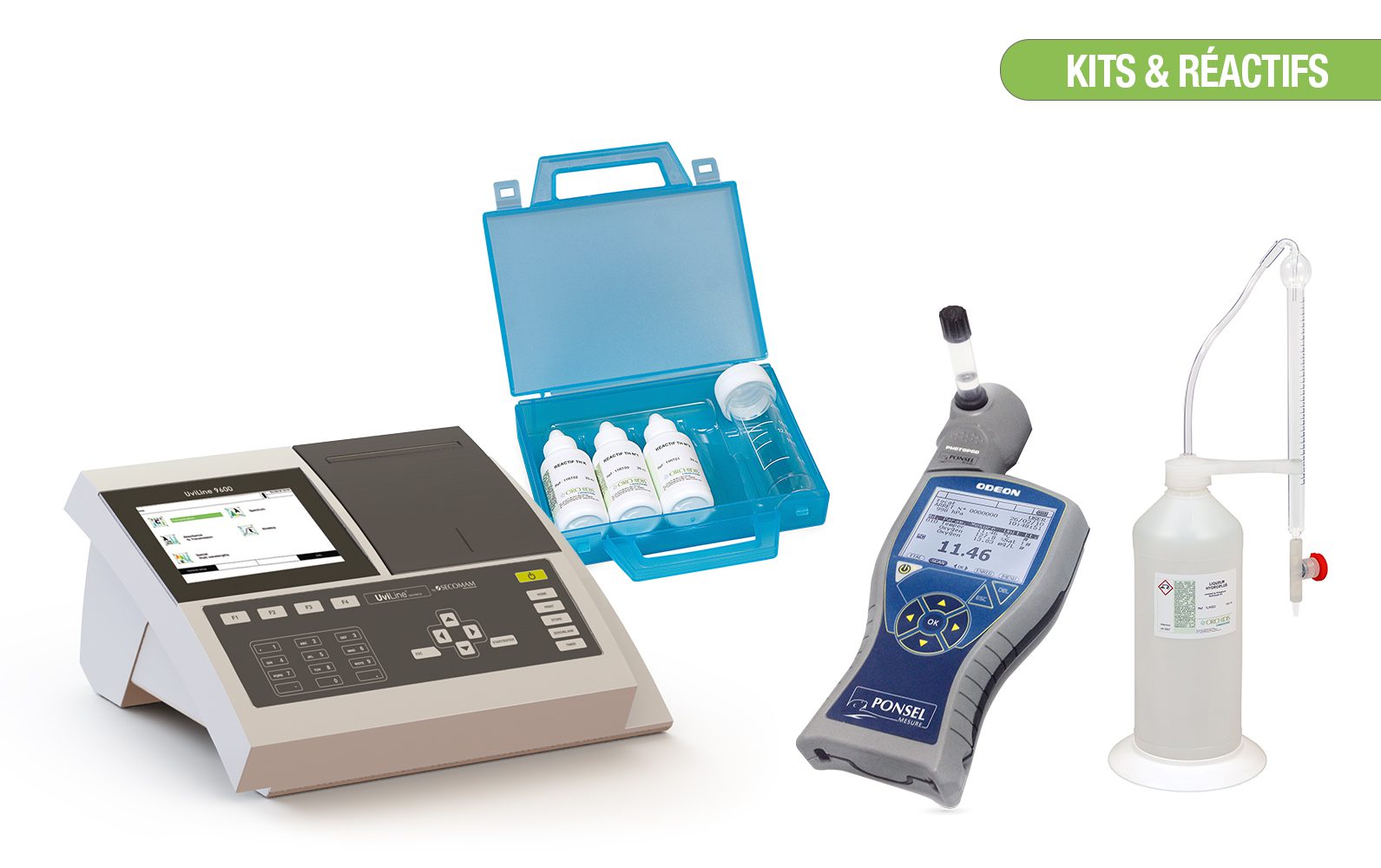
AQUALABO is a French manufacturer of instrumentation and chemical reagents for the control and analysis of water quality.