Articles

Diane

Analyse de l’eau pour poissons d’élevage : étude de faisabilité au Congo

Water analysis for farmed fish in Congo

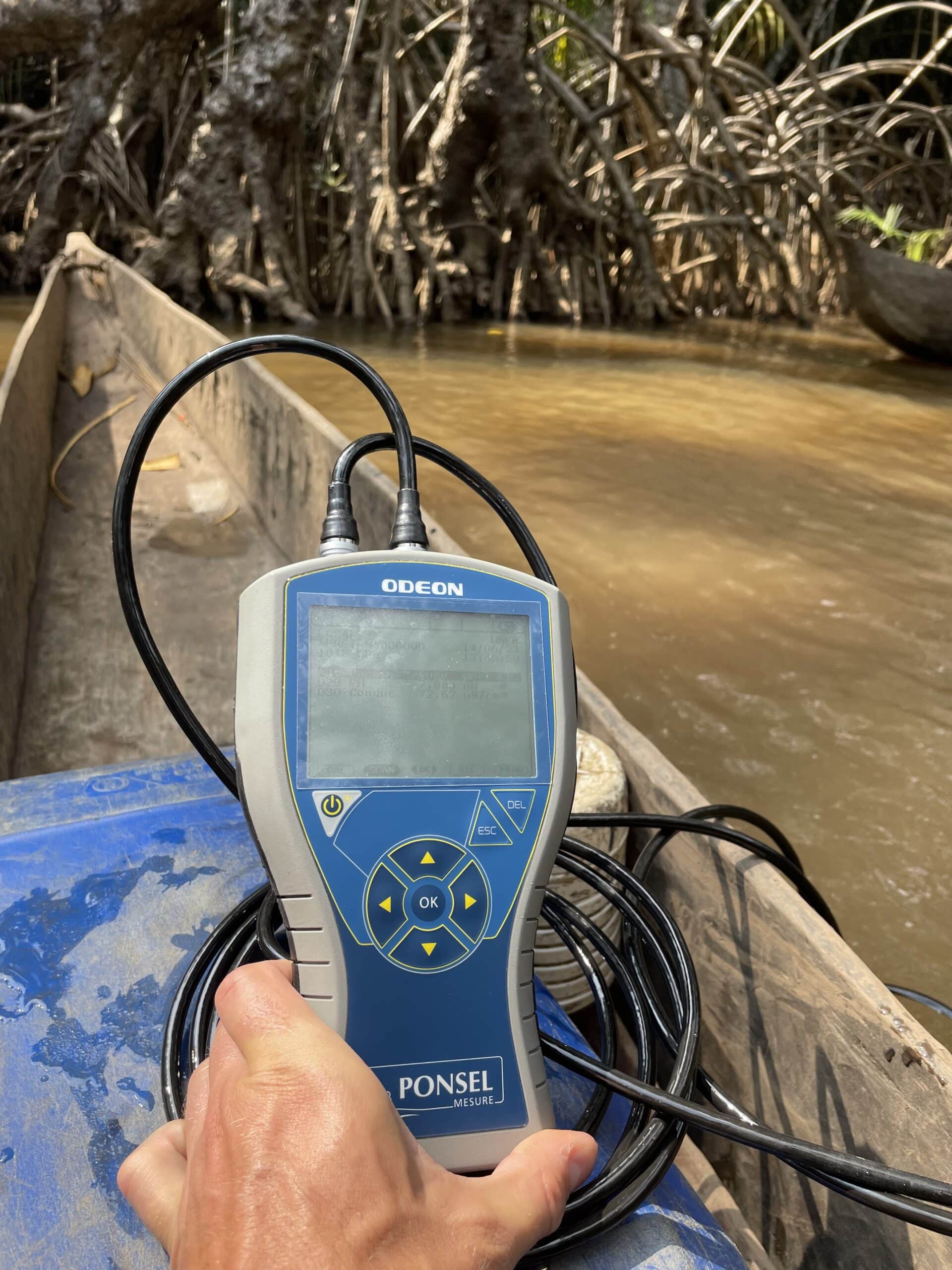
Water quality measurement is a key step starting from the feasibility phase of an aquaculture project. It allows checking the quality of available sources, select suitable sites, and ensure that conditions are met to accommodate the intended species. Monitoring and measuring certain indicators confirms that all requirements are in place before implementation and helps secure the future success of farms.

Learn moreLire l'article

Case Study – Boiler room maintenance – simplified checks

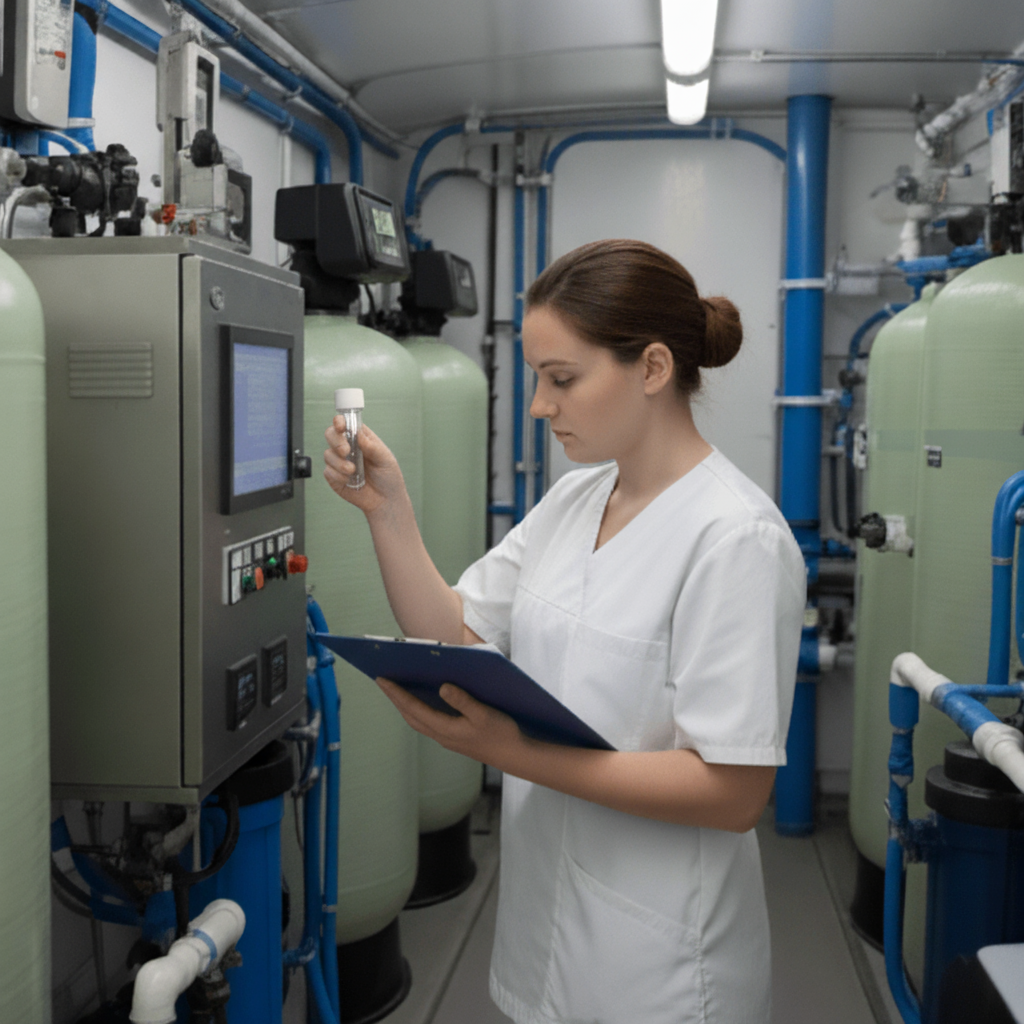
In collective heating installations, water quality is crucial to preserve performance and prevent premature wear of equipment. An imbalance in parameters such as hardness or pH can cause scaling and corrosion. This is why regular water monitoring is essential, especially during boiler and softener maintenance. A specialized maintenance company chose to simplify its interventions thanks to Aqualabo kits. The goal was to shorten intervention time, allow autonomous work, and still ensure reliable, high-quality monitoring.

Learn moreLire l'article
Turbidité de l’eau - définition et mesures | Aqualabo

Water turbidity – definition and measurement

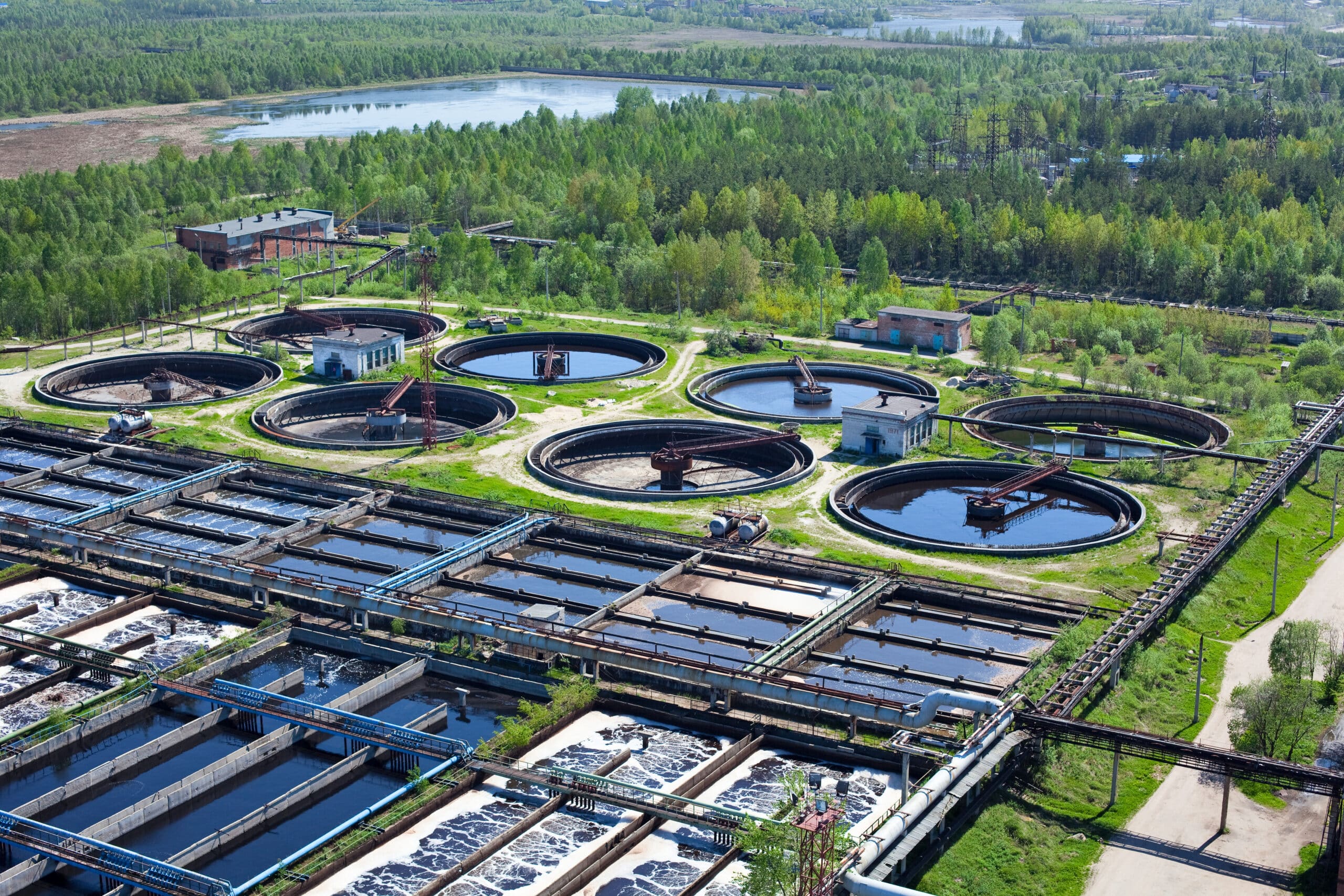
Turbidity is a critical parameter in water quality assessment. It refers to the cloudy appearance of water caused by suspended particles such as sediments, organic matter, or certain pollutants that can compromise quality. Monitoring turbidity is therefore essential to ensure compliance with regulatory standards and to optimize treatment processes, whether for drinking water, wastewater, or industrial effluents. In this article, we’ll explore the challenges linked to turbidity, regulatory requirements, and the methods used to measure it effectively.

Learn moreLire l'article