Wastewater Conductivity Measurement: Role and Interpretation
Measuring conductivity is a widely used field parameter for monitoring changes in wastewater and detecting anomalies quickly.
This article explains how conductivity works, its role in urban and industrial sanitation, and the different methods that ensure reliable and continuous monitoring.
Understanding wastewater conductivity is essential for anticipating unusual discharges, interpreting how a network evolves, and improving operators’ responsiveness. The article outlines variations according to different contexts (domestic, urban, industrial) and the technologies available to ensure accurate monitoring, even in challenging environments.
Understanding Water Conductivity
Definition of Water Conductivity
Water conductivity refers to its ability to conduct an electric current. This property depends on the presence of dissolved ions such as chlorides, sulfates, nitrates or sodium. The higher their concentration, the higher the conductivity.
In wastewater, conductivity is a global indicator of ionic load.
Factors Influencing Wastewater Conductivity
Dissolved Ion Concentration
Dissolved ion concentration is the main factor influencing wastewater conductivity. When an effluent contains more ions (chlorides, sulfates, nitrates, sodium or potassium), this ionic variation is immediately reflected in the measured value.
Any sudden influx of mineral ions—whether from an industrial discharge, an accidental spill or inflow and infiltration—results in a rapid and easily detectable increase.
Physicochemical Conditions
Water conductivity also depends on several physicochemical conditions, including temperature, pH and overall composition.
Higher temperatures increase ion mobility, resulting in higher conductivity. Conversely, certain chemical reactions—such as precipitation, pH shifts or oxidation—may reduce the availability of free ions.
Understanding how these parameters influence conductivity allows more accurate interpretation of fluctuations, especially in environments subject to strong seasonal or industrial variations.
Organic and Mineral Inputs
Organic matter in wastewater evolves throughout its degradation process, gradually releasing ions that measurably alter conductivity.
Mineral inputs (from industrial effluents, runoff or infiltration) can cause more sudden and pronounced variations.
Why Monitor Wastewater Conductivity?
An Indicator of Wastewater Quality
Conductivity reflects the ionic balance of an effluent and helps characterize its evolution over time.
Trend analysis, combined with other parameters (flow rate, pH, temperature), helps identify the origin of variations and distinguish between isolated events and structural changes within the network.
It serves as an interpretation tool to validate field hypotheses or guide more targeted investigations.
A Tool for Supporting Facility Operation
Conductivity analysis highlights the contribution of different areas in the wastewater collection system (domestic sector, industrial sector, inflow and infiltration) and helps dimension treatment processes or plan corrective actions.
It enables more precise operation of facilities by correlating measured data with the actual condition of the network and the effectiveness of treatment processes.
Interpreting Variations in Urban and Industrial Environments
Wastewater Collection Systems
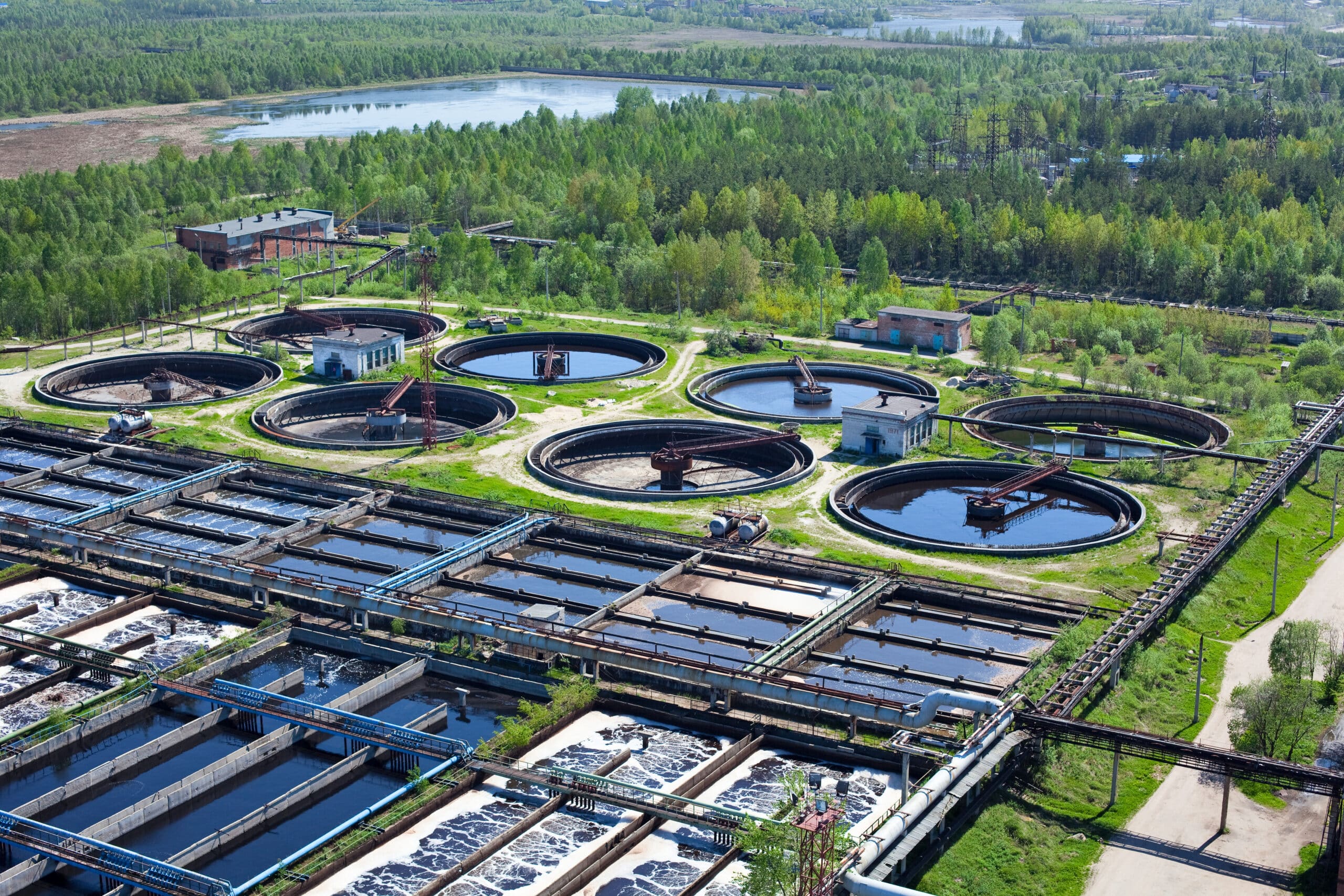
In wastewater collection systems, conductivity results from the mixture of several sources: domestic wastewater, connected industrial effluents, and inflow and infiltration.
Sudden changes in conductivity may indicate network imbalance, intrusion of external waters or abnormal discharge.
This overall monitoring enables operators to quickly identify disturbance zones and adapt their monitoring strategy.
Industrial Effluents
Industrial effluents exhibit ionic profiles specific to each process: salts, acids, bases, cleaning products, etc.
Conductivity measurement is a direct indicator for detecting overdosing or internal treatment malfunctions.
In this context, monitoring aims both at regulatory compliance and at protecting downstream facilities or wastewater treatment systems.
Domestic Wastewater
Domestic wastewater shows more predictable variability, linked to household activities (laundry, dishwashing, hygiene).
Conductivity typically follows stable daily patterns.
These measurements serve mainly as a comparative baseline and help detect excessive dilution (rainwater, infiltration), unusual inputs (concentrated products, detergent) or isolated anomalies. They provide a reference for interpreting variations observed across the entire network.
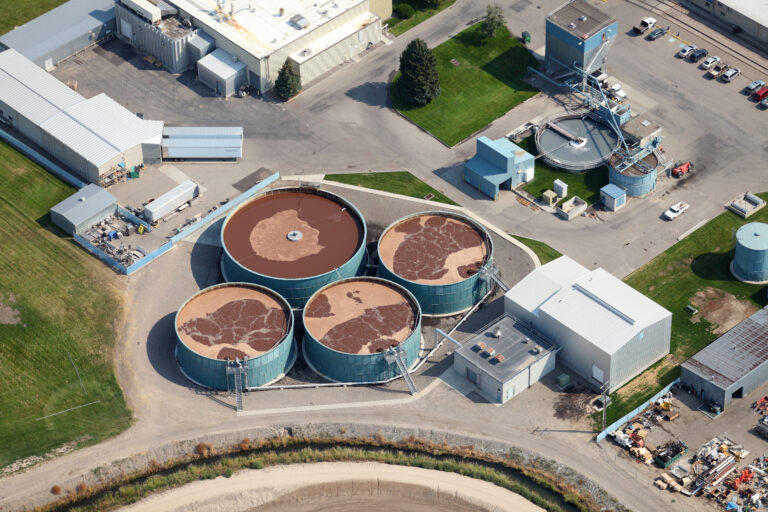
Techniques for Measuring Wastewater Conductivity
Electrical Conductivity Sensors
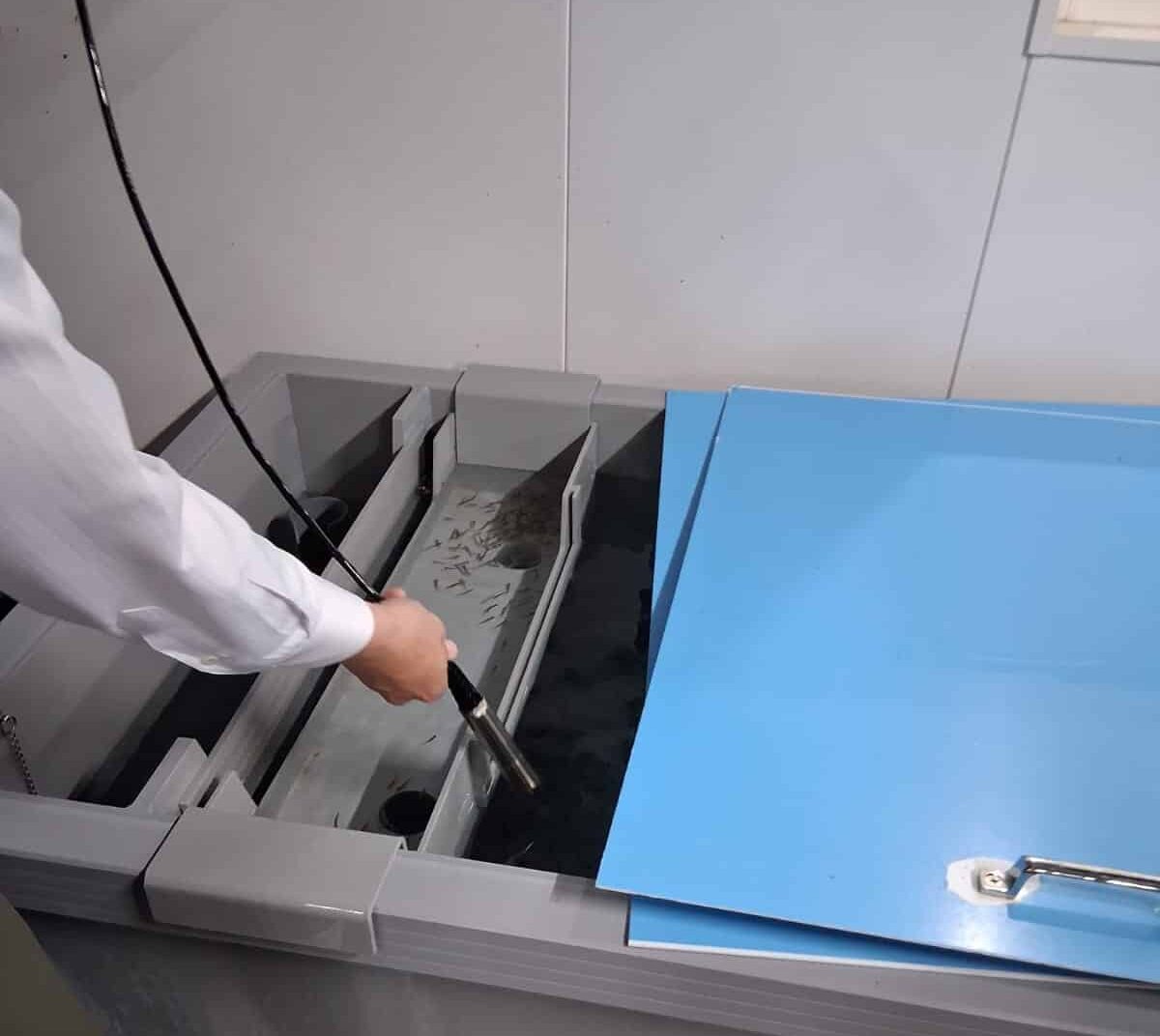
Conductivity sensors measure an effluent’s ability to carry an electrical current.
Their design varies according to field needs: inductive method or direct-contact electrodes. Sensors must withstand loaded, abrasive or fouling environments typical of wastewater.
In coastal areas, conductivity also helps monitor seawater intrusion into networks or basins, a phenomenon likely to affect treatment processes or biological cycles.
Continuous Monitoring Systems
Continuous measurement systems monitor conductivity without interruption.
They transmit real-time data and facilitate rapid detection of short-term or long-lasting events.
Aqualabo sensors integrate into existing systems (RS485, SDI-12) and connect easily to transmitters, portable devices and data loggers for continuous monitoring.
Laboratory Analysis Methods
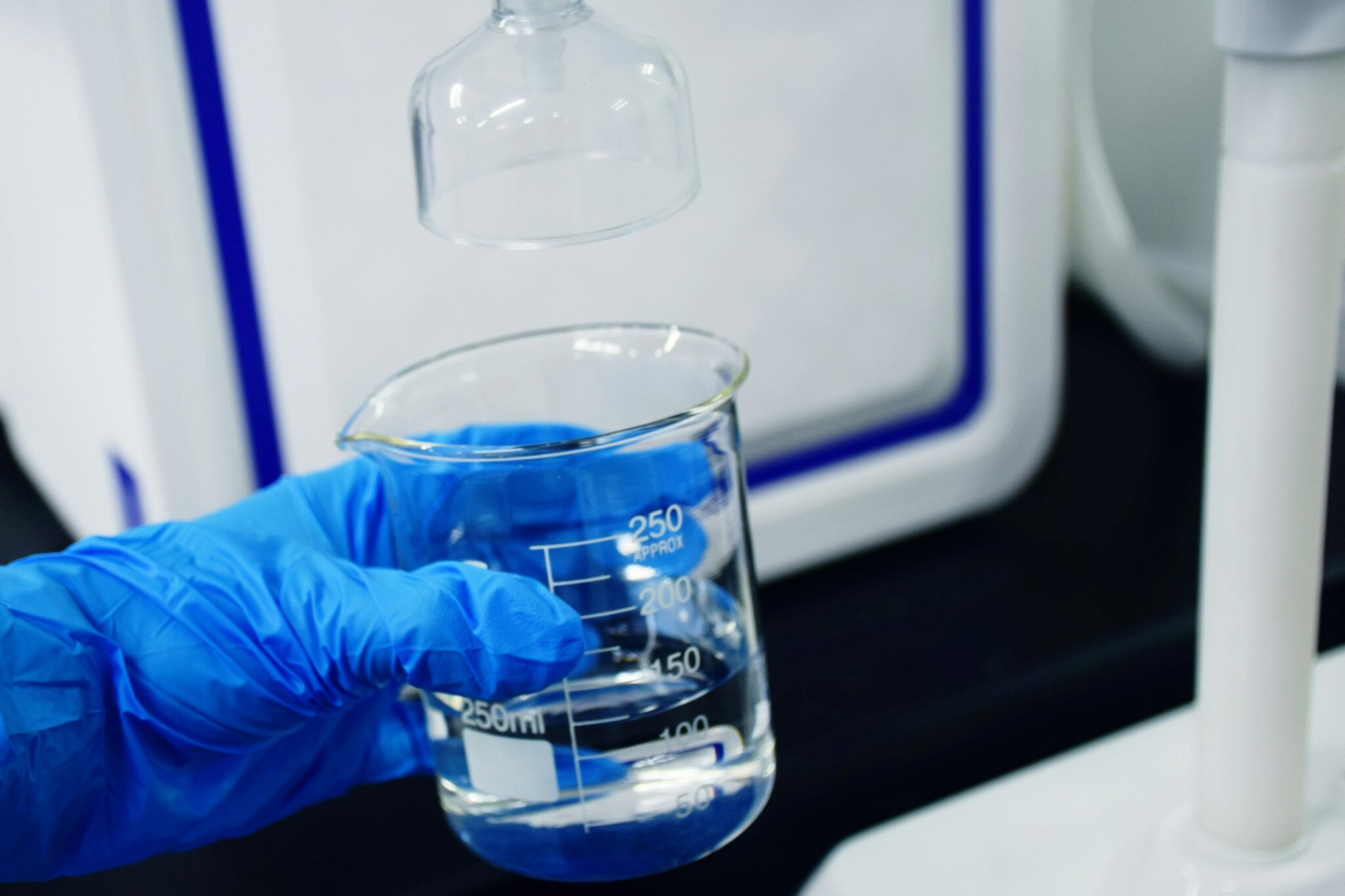
In the laboratory, conductivity is measured using a conductometer equipped with a conductivity cell. This method provides a reference measurement for comparing or validating field data.
Aqualabo Solutions for Conductivity Monitoring
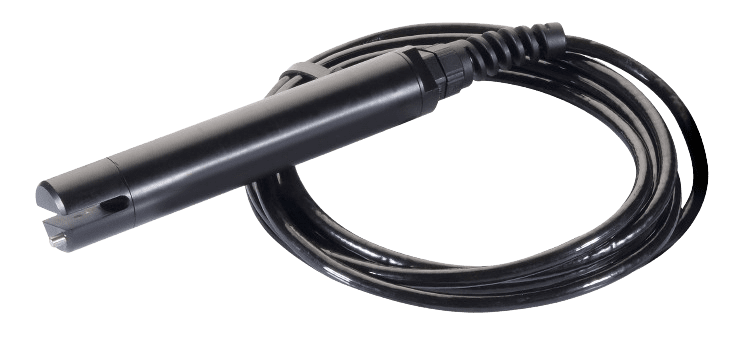
Versatile Conductivity and Salinity Sensor
The C4E sensor uses a four-electrode system operating with constant-voltage alternating current, ensuring reliable conductivity and salinity measurements across a wide range of applications, including demanding conditions.
Its versatility makes it suitable for installations requiring precise, long-term monitoring of physico-chemical parameters.
Advantages
Simultaneous measurement of conductivity, salinity and temperature
Four measurement ranges + one automatic range
Very low energy consumption
Modbus RS485 digital communication protocol
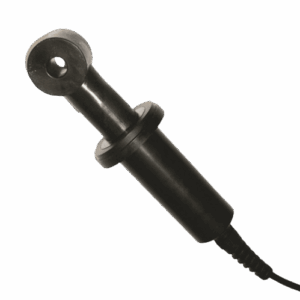
Conductivity and Salinity Sensor for Fouling Environments
The CTZN sensor is based on inductive toroidal coil technology.
This design reduces maintenance, eliminates the need for consumables and ensures high measurement stability, even in heavily loaded or fouling environments.
Advantages
Inductive design with temperature control
Measurement range from 0 to 100 mS/cm
Digital communication via Modbus RS485 and SDI-12
Compact, robust and fully waterproof sensor
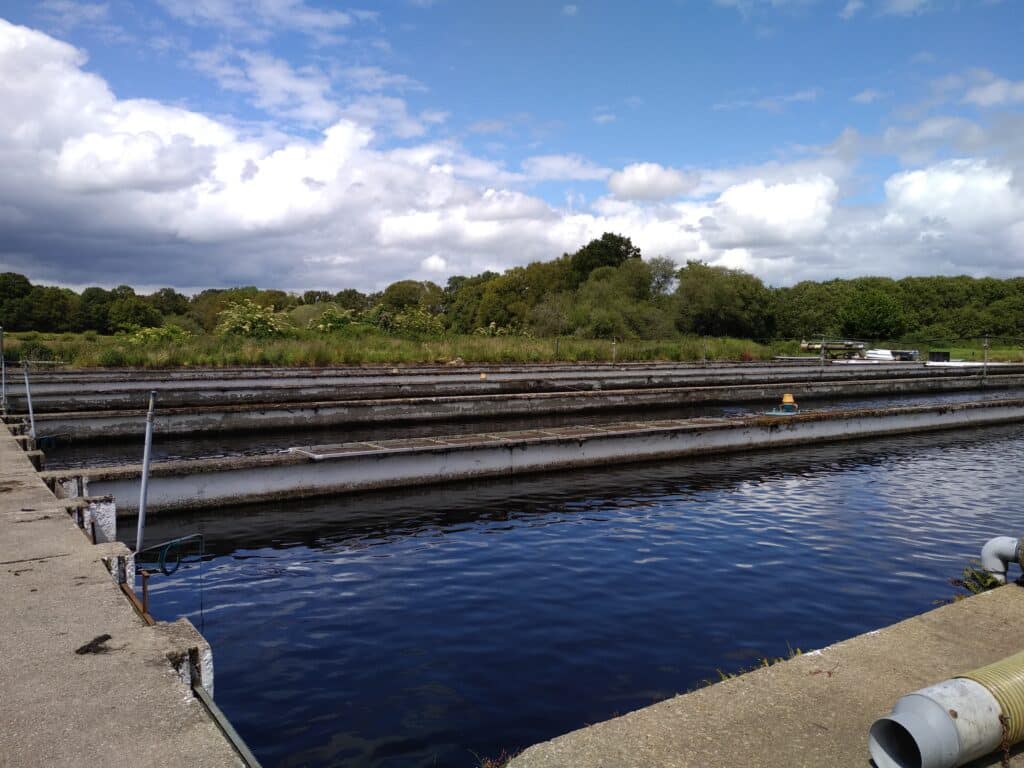
From Field Measurement to Data Interpretation
Conductivity measurement is a key parameter for understanding effluent evolution and documenting how a wastewater collection system operates.
By combining reliable field measurements with regular trend analysis, operators can guide operational decisions and validate hypotheses regarding the origin of variations.
Aqualabo offers a complete range of sensors designed to meet on-site constraints (loaded environments, deposits, domestic or industrial cycles).
Our offering also includes a rental service providing quick access to operational instruments for temporary campaigns, pilot tests or short-term monitoring needs.
With more than twenty years of expertise in water analysis and measurement, Aqualabo supports municipalities and operators in selecting equipment adapted to their context and field requirements.
Contact our team to define the most suitable equipment for your application.