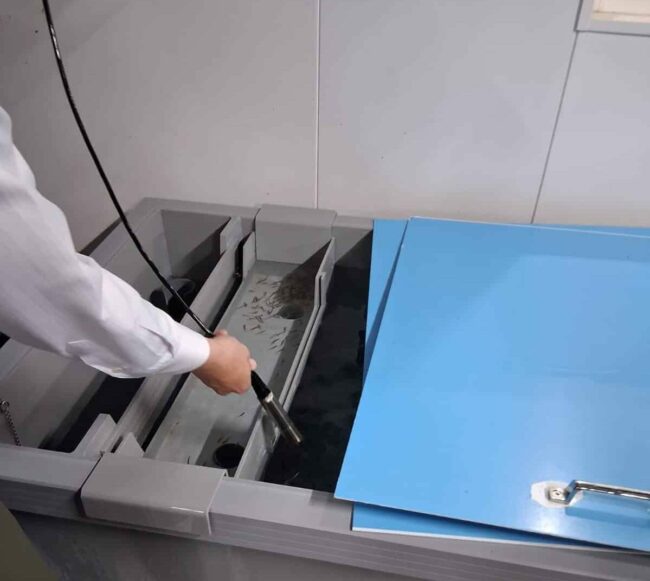
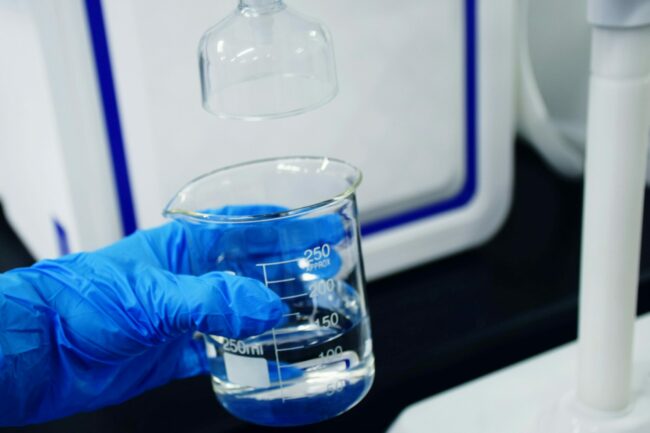
Échantillon d’eau analysé en laboratoire pour l’analyse des sulfites dans l’eau.

Monitoring and Analysis of Sulfites in Water

Sulfite Analysis: Corrosion Control and Process Monitoring Sulfite analysis is a key element in monitoring installations that use treated water, particularly in thermal circuits and certain industrial processes. Sulfites, present as SO₃²⁻ ions (sulfite ions), are commonly used to scavenge residual dissolved oxygen and mitigate oxygen-induced pitting. Their concentration must be precisely controlled to ensure…
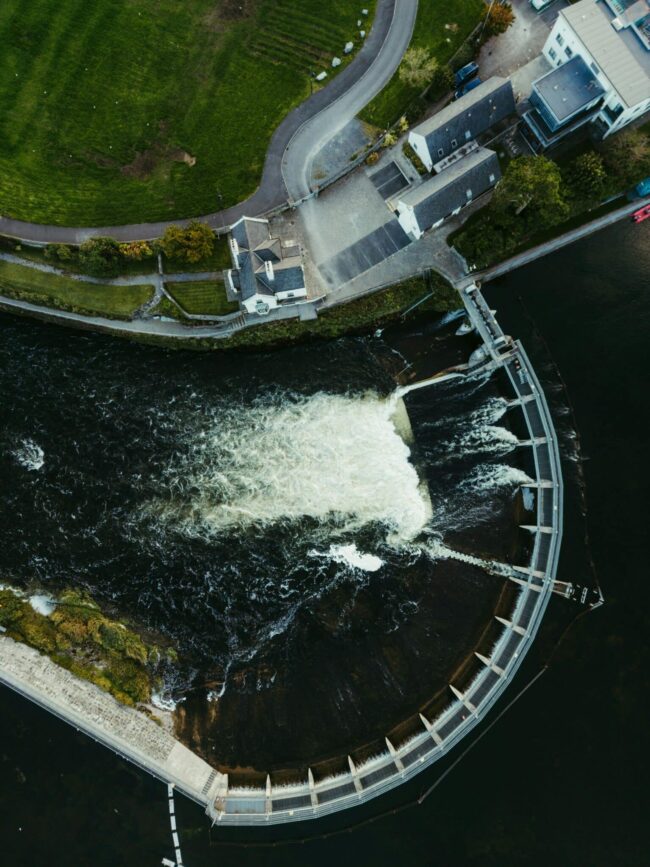
Ouvrage de traitement des eaux où l’on mesure la demande chimique en oxygène.

Measuring Chemical Oxygen Demand (COD) in water

Measuring Chemical Oxygen Demand (COD) in water Water quality depends on the ability to identify and quantify pollutants likely to affect natural environments, industrial processes, or resources intended for human consumption. Among the indicators used, measuring Chemical Oxygen Demand (COD) plays a central role in assessing the overall load of oxidizable substances present in water.…

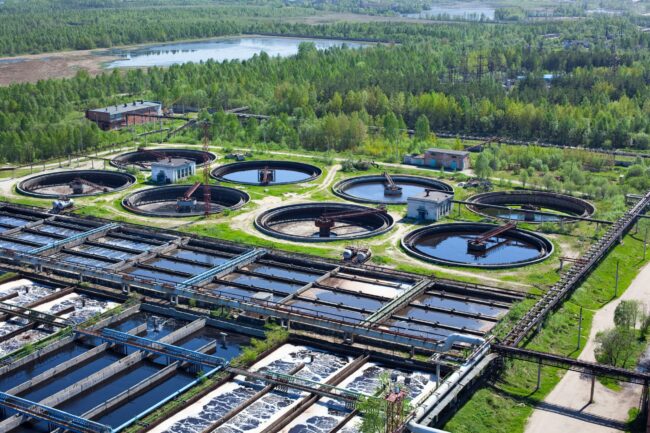
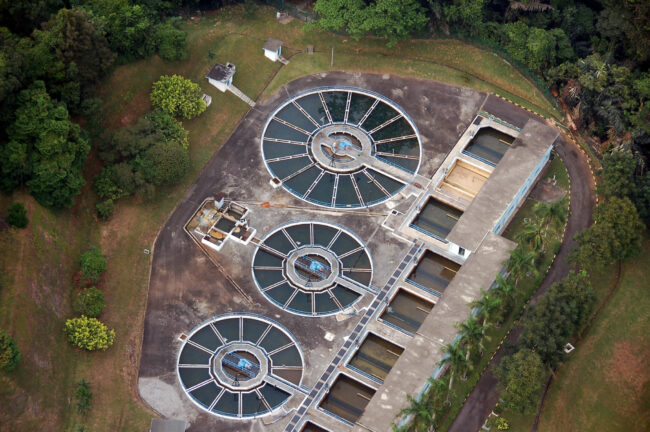
Bassins circulaires de traitement utilisés pour la mesure de la conductivité des eaux usées.

Wastewater Conductivity Measurement

Wastewater Conductivity Measurement: Role and Interpretation Measuring conductivity is a widely used field parameter for monitoring changes in wastewater and detecting anomalies quickly. This article explains how conductivity works, its role in urban and industrial sanitation, and the different methods that ensure reliable and continuous monitoring. Understanding wastewater conductivity is essential for anticipating unusual discharges,…

Suivi et mesure de l’oxygène dissous dans l’eau

Measuring dissolved oxygen in water

Measuring dissolved oxygen (DO) in water is a fundamental parameter for assessing balance in natural environments and ensuring the proper operation of treatment systems. Whether in aeration basins, industrial waters, or aquatic ecosystems, monitoring this parameter provides key insight into biological activity, process performance, and environmental compliance.

Turbidité de l’eau - définition et mesures | Aqualabo

Water turbidity – definition and measurement

Turbidity is a critical parameter in water quality assessment. It refers to the cloudy appearance of water caused by suspended particles such as sediments, organic matter, or certain pollutants that can compromise quality. Monitoring turbidity is therefore essential to ensure compliance with regulatory standards and to optimize treatment processes, whether for drinking water, wastewater, or industrial effluents.
In this article, we’ll explore the challenges linked to turbidity, regulatory requirements, and the methods used to measure it effectively.

Logo Aqualabo

Water alkalinity

What is water alkalinity ?  When you think about maintaining a healthy aquatic environment or ensuring safe drinking water, the concept of alkalinity often comes up. But what exactly is alkalinity ? This article will dive into everything you need to know about alkalinity in water, from its definition and importance to how it’s measured and…

Alcalinité de l’eau

Water alkalinity

What is water alkalinity ?  When you think about maintaining a healthy aquatic environment or ensuring safe drinking water, the concept of alkalinity often comes up. But what exactly is  alkalinity ? This article will dive into everything you need to know about alkalinity in water, from its definition and importance to how it’s measured and…